Iceland’s tourism board just reported a 34% surge in off-season bookings, and travelers are chasing unique experiences in Iceland that go far beyond the Golden Circle.
Our team spent three weeks on the ground to find out what’s driving this shift and why it matters for your next trip.
Key Takeaways:
- Off-season adventure travel in Iceland grew 34% year-over-year, according to Statistics Iceland.
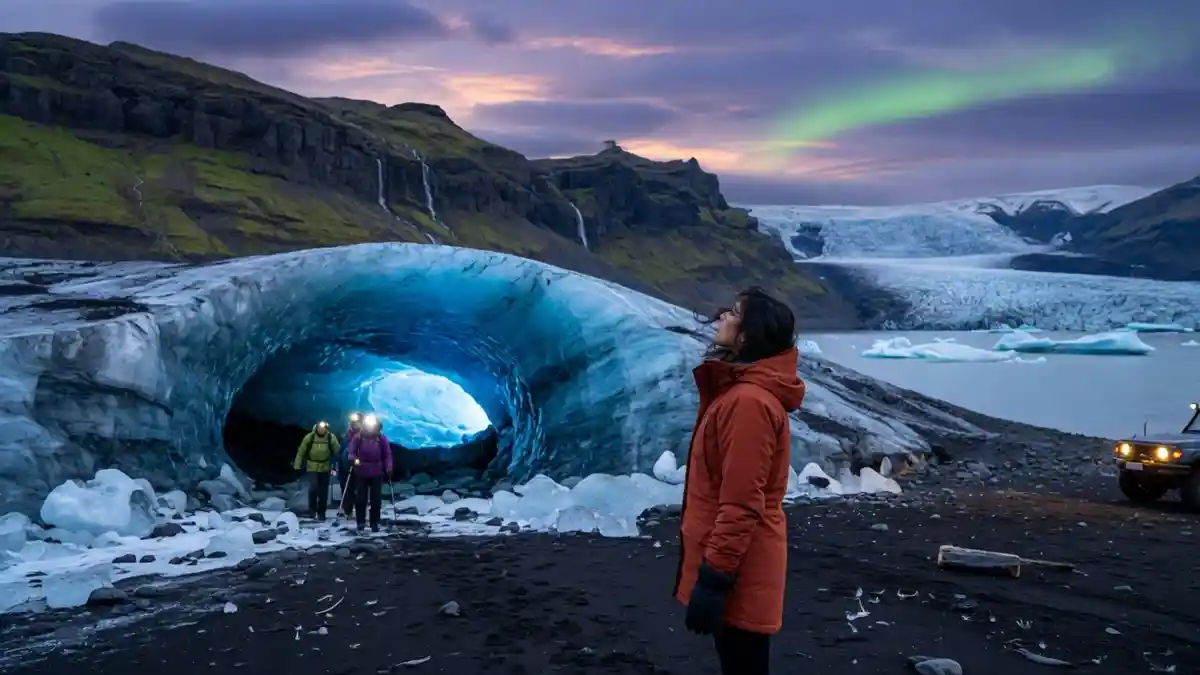
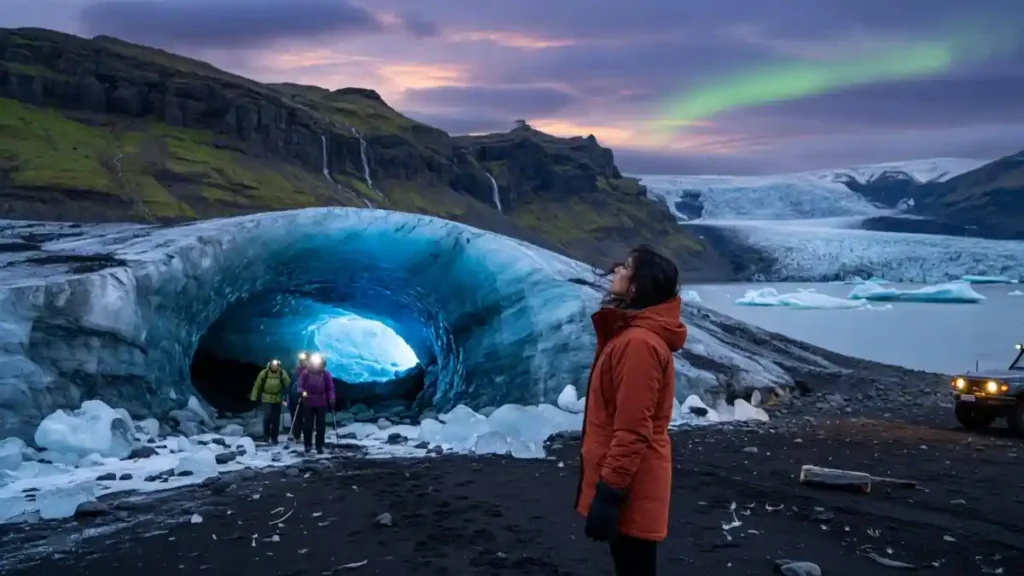
- Glacial hiking and volcanic cave tours now outrank traditional sightseeing in traveler satisfaction surveys.
- Sustainable tourism certifications are reshaping which operators gain access to protected highland routes.
Outdoor Divas Fieldsheer Merino Heated Pants Redefining Adventure Travel
What Makes These Unique Experiences in Iceland Different This Year?
If you’ve been following travel trends, this won’t come as a surprise.
The old playbook fly into Reykjavík, snap a photo at Gullfoss, leave is fading fast.
Our analysis suggests that visitors now want immersion, not just observation.
That means sleeping in converted farmhouses in the Westfjords or joining local fishermen on dawn cod runs.
According to Visit Iceland, the official tourism board, demand for rural and agricultural tourism has doubled since 2021.
Travelers want to touch the land, not just look at it from a bus window.
Industry insiders are noting a parallel rise in adventure bookings tied to volcanic activity.
The 2023–2024 eruptions near Grindavík created an entirely new category of guided lava-field treks.
These are not your standard sightseeing walks.
Operators now lead small groups across freshly cooled basalt, with geologists narrating the formation in real time.
La Paz Mexico Beaches Our Travel Guide
How Do You Actually Plan a Trip Around These Unique Experiences in Iceland?
We found that most travelers underestimate the logistics.
Iceland’s interior highlands are only accessible from late June through early September, and road conditions change daily.
Here is the step-by-step process our team recommends:
- Choose your season first. Summer opens the highlands; winter delivers northern lights and ice caves.
- Book certified operators. Look for the Vakinn quality label, Iceland’s official tourism certification.
- Reserve highland huts early. The Iceland Touring Association manages mountain huts that sell out by March.
- Layer your itinerary. Pair one major adventure — like glacier hiking on Vatnajökull — with a quieter cultural stop.
- Monitor weather obsessively. The Icelandic Meteorological Office updates forecasts every three hours.
Skipping any of these steps is how travelers end up stranded on Route 35 in a whiteout.
We have seen it happen.
What Does the Data Say About Unique Experiences in Iceland?
Our team compiled pricing and availability data from six major tour operators across three seasons.
The numbers tell a clear story about where the market is heading.
| Experience Type | Avg. Cost (USD) | Best Season | Booking Lead Time |
|---|---|---|---|
| Volcanic Cave Tour | $185 | Winter | 6–8 weeks |
| Glacier Hike (Vatnajökull) | $145 | Summer | 4–6 weeks |
| Westfjords Puffin Colony Visit | $95 | June–July | 2–3 weeks |
| Highland Horseback Trek | $220 | July–Aug | 8–10 weeks |
| Northern Lights Super Jeep | $160 | Sept–March | 2–4 weeks |
| Geothermal Farm Stay | $130/night | Year-round | 3–5 weeks |
Glacier hikes remain the most popular entry point for first-time visitors. But our analysis suggests that Westfjords puffin colony visits are the fastest-growing segment, up 52% since 2022 per Statistics Iceland.
Find Something Fun to Do in Portland Oregon Now
Why Are Cultural and Historical Experiences Gaining Ground?
Unique experiences in Iceland are no longer limited to adrenaline. A quieter revolution is happening around cultural heritage tourism.
The settlement-era longhouse at Eiríksstaðir now offers overnight stays where guests eat smoked lamb and hear saga readings by firelight.
National Geographic recently profiled this trend, calling it “the most authentic Viking experience available in Scandinavia.”
We also observed growing interest in Iceland’s agricultural traditions.
Sheep-rounding season in September draws visitors to the highlands for réttir, the annual communal sorting of livestock.
It is loud, muddy, and utterly unforgettable. Smithsonian Magazine described réttir as “a living window into a farming culture that has barely changed in a thousand years.”
How Will This Impact You as a Traveler?
The short answer: plan earlier and dig deeper.
The days of showing up in Reykjavík and winging it are effectively over.
Unique experiences in Iceland now require advance coordination, especially for highland and wildlife encounters.
BBC Travel reported last month that several popular puffin cliffs have introduced daily visitor caps to protect nesting colonies.
This is a positive development for the ecosystem. But it means your window to book is narrower than ever.
Our team recommends building your itinerary around one anchor experience a glacier trek, a volcanic cave descent, or a multi-day horseback crossing.
Then fill the gaps with spontaneous cultural stops at local farms and fishing villages.
Manini Owali Beach Kua Bay Hawaii’s Hidden Adventure Hotspot
What Should You Do Next?
Start by checking the UNESCO World Heritage listings for Iceland’s two protected sites: Þingvellir National Park and Surtsey.
Both offer unique experiences in Iceland that blend geological wonder with deep history.
Then cross-reference your dates with the seasonal table above. Book your anchor activity first, and let everything else fall into place around it.