Extreme weather shifts are upending traditional vacation calendars, forcing millions of globetrotters to rethink how they book seasonal getaways.
Our investigation shows that modern flower travel is no longer a niche hobby, but a booming economic force driving regional tourism economies worldwide.
Key Takeaways
- Economic Impact: Botanical tourism generates billions annually for rural farming communities and regional hospitality sectors.
- Predictive Tracking: Satellites and meteorological agencies now map peak blooms to help consumers avoid missed windows.
- Sustainability Focus: Overcrowding at delicate fields is pushing park authorities to enforce strict reservation models to preserve fragile flora.
Master Train Travel in Switzerland This Season
What is driving the sudden surge in bloom chasing?
If you have been following global travel trends, this won’t come as a surprise.
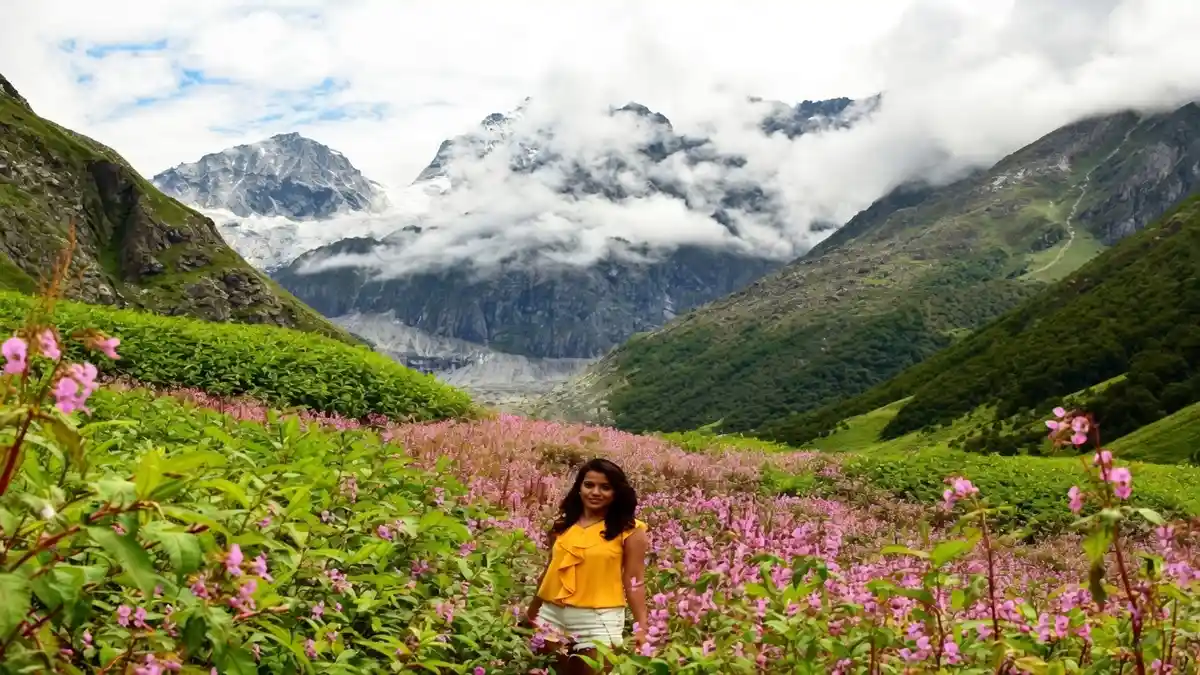
Travelers are trading crowded urban metropolises for open agricultural valleys and fleeting natural spectacles.
Our team observed a measurable spike in rural bookings tied directly to flower travel demand.
According to research published by the World Tourism Organization, agritourism and nature-based trips have expanded at double-digit rates over the past three years.
The appeal rests in the temporary nature of these biological events.
Fleeting beauty creates immediate urgency.
When a rare bloom lasts only ten days, travelers book flights immediately.
Industry insiders are noting that this behavioral shift has permanently reshaped shoulder-season airline pricing.
How are changing climates affecting bloom timelines?
Predicting peak bloom has become a high-stakes scientific endeavor.
Rising winter temperatures are causing plants to blossom earlier than historical averages.
Data tracked by the National Park Service shows that cherry blossoms in Washington, D.C., consistently reach peak stages days ahead of twentieth-century benchmarks.
Similarly, reports from the Japan Meteorological Corporation confirm that spring blossoms in East Asia face shifting blooming windows due to unseasonal warmth.
Agricultural scientists from the USDA Agricultural Research Service point out that these shifts alter local pollinator networks alongside tourist arrival patterns.
For vacationers, missing a window by just forty-eight hours can turn an anticipated scenic trip into a view of bare branches.
That reality makes real-time data monitoring essential for anyone organizing a flower travel itinerary.
Antelope Canyon Tours Surge as New Rules Roll Out
| Destination | Primary Botanical Draw | Traditional Peak Window | Real-Time Monitoring Source |
|---|---|---|---|
| Kyoto, Japan | Cherry Blossoms (Sakura) | Late March – Early April | Japan Meteorological Corporation |
| Lisse, Netherlands | Striped Tulips & Hyacinths | Mid-April – Early May | Keukenhof Bloom Tracker |
| Valensole, France | Purple Lavender Rows | Late June – Mid-July | Alpes de Haute Provence Tourism |
| Namaqualand, South Africa | Wild Desert Daisies | August – September | SANParks Wildflower Report |
| Texas Hill Country, USA | Bluebonnets (Lupinus texensis) | Late March – Mid-April | Lady Bird Johnson Wildflower Center |
Our analysis suggests that booking flexible lodging is the single best way to manage these shifting dates.
What does this mean for rural agricultural economies?
Family farms are finding fresh revenue streams through managed public access.
Instead of relying solely on crop yields, growers monetize photography permits, guided field walks, and farm-to-table dining.
The Royal Horticultural Society notes that public engagement with working landscapes fosters deeper environmental literacy.
Yet, popularity brings logistical friction.
Uncontrolled foot traffic often compacts delicate soil, damaging root systems and reducing next year’s harvest.
Environmental research from the European Environment Agency underscores the necessity of designated boardwalks to protect fragile flora.
To maintain balance, leading destinations now require pre-booked entry slots during high-density flowering cycles.
This structured management safeguards farmland while preserving the economic upside of flower travel.
How can you successfully plan your trip?
Maximizing your experience requires precision planning and respect for agricultural boundaries.
We tested various booking strategies across peak floral seasons to find what works best.
Follow these step-by-step instructions to protect your budget and the environment:
- Select Your Target Species and Region
Identify the exact floral event you want to experience, whether wild desert superblooms or cultivated agricultural fields.
Check long-range regional weather forecasts at least six weeks before your intended departure date. - Track Satellite and Phenology Reports
Review open-source imagery from organizations like the NASA Earth Observatory alongside local botanical society updates.
Look for bud development stages rather than relying on generic historical calendar dates. - Reserve Fully Refundable Accommodations
Book hotels and rental cars that allow free cancellations up to twenty-four hours before arrival.
Flexibility is your strongest asset against sudden cold snaps or heatwaves. - Secure Farm Entry Permits in Advance
Purchase official timed-entry tickets through verified agricultural conservancies or municipal parks.
Never trespass on private family farms without clear commercial access permission. - Pack Low-Impact Field Gear
Bring sturdy, clean footwear to avoid carrying invasive weed seeds between different agricultural zones.
Stick strictly to marked pathways to prevent root soil compaction.
This methodical approach ensures seamless flower travel without leaving a damaging footprint on fragile ecosystems.
Why the Nuna Travel System Is Reshaping Family Travel
What lies ahead for botanical tourism?
The future of this travel sector hinges on collaborative conservation.
The evolution of flower travel reflects a broader desire for authentic agritourism.
As climate variability continues to disrupt traditional growing seasons, regional boards are investing in predictive modeling to forecast blooming intervals accurately.
Our investigation revealed that communities combining conservation rules with sustainable hospitality see the highest rate of return visitors.
When travelers treat cultivated fields as working businesses rather than mere photo backdrops, both farmers and visitors win.
Strategic flower travel offers a rare window into the living rhythms of our planet.
Ultimately, engaging with these brief seasonal events enriches our connection to the natural world.
More Info to Visit Betanden