
Croatia’s 2027 booking window is already open.
Travelers who plan in November get the quieter ferries, better room rates and timed park entries that summer latecomers miss, so we mapped the best places to visit in Croatia to help you turn that head start into a better trip.
Key Takeaways
- Croatia has 10 UNESCO World Heritage Sites, from Dubrovnik’s walls to the Plitvice Lakes.
- Shoulder season (May–June and September–October) delivers warm seas with far smaller crowds.
- Booking early secures national park slots, island ferries and Old Town stays before prices climb.
Explore New Mexico Before Crowds Surge
Why are travelers rethinking Croatia right now?
Croatia now rewards early, informed planners more than spontaneous ones.
Since joining both the euro and the Schengen Area in January 2023, the country has become easier to reach and simpler to budget for.
If you’ve been following travel trends, this won’t come as a surprise.
Demand along the Adriatic keeps rising, and the latest tourism figures from Eurostat show Croatia among the EU’s most tourism-intensive countries relative to its population.
Our analysis suggests the real shift is where people go. Industry insiders are noting a steady move away from Dubrovnik-only itineraries toward national parks, smaller islands and historic towns like Šibenik.
What are the best places to visit in Croatia this year?
The best places to visit in Croatia mix walled cities, wild parks and quiet islands.
We built our shortlist from Lonely Planet’s Croatia destination hub and cross-checked each pick against official park and heritage sources.
| Destination | Category | Highlight | Best Season |
|---|---|---|---|
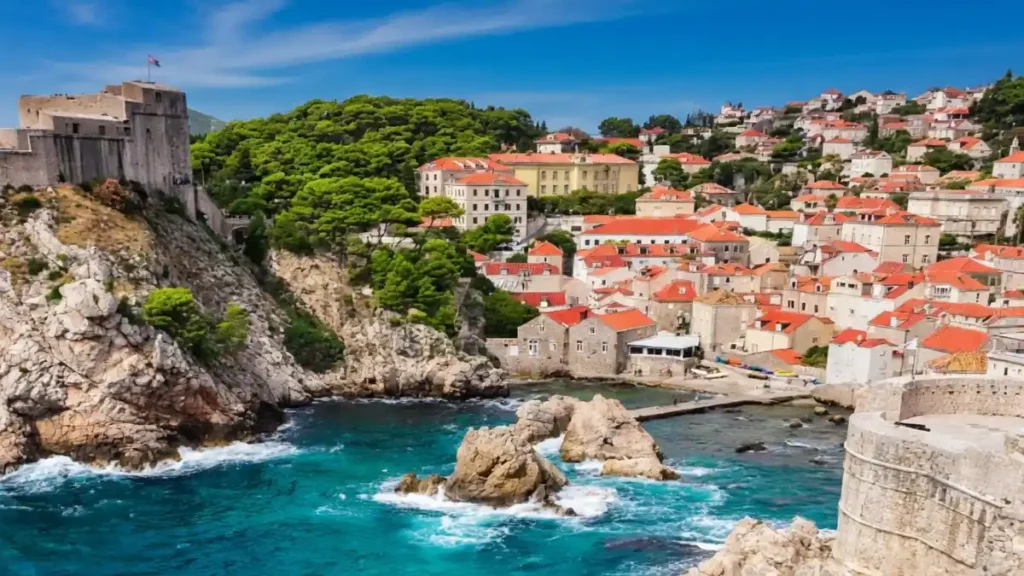
| Dubrovnik | History | Walking the medieval City Walls & Forts | May–June, Sept–Oct |
| Split | Culture | Diocletian’s Palace, a living Roman complex | April–June, Sept |
| Plitvice Lakes | Adventure | 16 terraced lakes linked by waterfalls | April–June, Oct |
| Krka National Park | Adventure | Boardwalks around Skradinski Buk falls | May–June, Sept |
| Paklenica | Adventure | Rock climbing in Velika Paklenica canyon | April–May, Sept–Oct |
| Mljet | Holidays | Saltwater lakes and an island monastery | June, Sept |
| Šibenik | History | UNESCO-listed Cathedral of St James | May–Oct |
| Zlatni Rat, Brač | Holidays | A shifting beach spit loved by windsurfers | June–Sept |
What does this mean for history and culture lovers?
Croatia’s historic cities rank among the best places to visit in Croatia for culture lovers.
UNESCO’s listing for the Old City of Dubrovnik describes walls stretching nearly 2 km around the town.
In Split, Diocletian’s Palace is no museum piece people still live, shop and eat inside its late-third-century walls.
Šibenik offers a calmer alternative.
Its stone Cathedral of St James earned UNESCO status in 2000, and Lonely Planet recently spotlighted the city for its history and charm.
Best Beaches In Greece Are Rewriting Travel Rules
What does this mean for adventure seekers?
Adventure travelers will find Croatia’s national parks more rewarding than its beaches.
Plitvice Lakes National Park was among the first natural sites added to the World Heritage List, in 1979.
Further south, Krka National Park pairs waterfall boardwalks with river boat trips — swimming at Skradinski Buk has been banned since 2021 to protect the ecosystem.
Paklenica draws climbers and hikers to sheer limestone canyon walls. Pack proper footwear, not flip-flops.
How will this impact your travel budget?
Timing shapes your budget more than destination does. July and August bring peak pricing, heavy ferry demand and packed Old Towns.
We found these clear trade-offs between seasons:
Peak season (July–August)
- Pros: Warmest sea, every ferry route running, lively nightlife
- Cons: Highest room rates, long queues, sold-out park slots
Shoulder season (May–June, September–October)
- Pros: Lower prices, swimmable water, easier entry to parks
- Cons: Reduced island ferry schedules, some seasonal restaurants closed
Lonely Planet’s own budget advice echoes ours: take the bus, travel off-season and eat at local bakeries.
Check the Croatian National Tourist Board event calendar before choosing your dates.
How do you plan a Croatia trip step by step?
A good Croatia trip starts with a clear route, not a hotel booking.
Follow these steps to turn our list of the best places to visit in Croatia into a working plan:
- Check entry requirements. Review the U.S. State Department’s Croatia travel page for passport validity and Schengen rules.
- Pick your travel window. Choose shoulder season for the best balance of weather, price and space.
- Choose a route direction. Travel north to south Zagreb, Plitvice, Split, Dubrovnik so you never backtrack.
- Book park tickets online. Reserve Plitvice and Krka entries in advance; peak-season slots sell out.
- Reserve ferries early. Lock in car ferry crossings to Brač, Hvar or Mljet as soon as schedules publish.
- Book central stays. Choose lodging inside or near Old Towns to cut daily transit time.
- Plan one slow day per stop. Leave space for swimming, café time and unplanned detours.
Discover the World’s Best Places to Snorkel Now
What should you do next?
The smartest move is to commit to dates before winter ends. Our team observed that travelers who book parks and ferries early consistently get better prices and calmer experiences.
Start with Lonely Planet’s 16 Best Places to Visit in Croatia, shortlist three regions and match them to our table above.
Then open the official park booking pages and secure your first reservation this week.
More Info to Visit Betanden