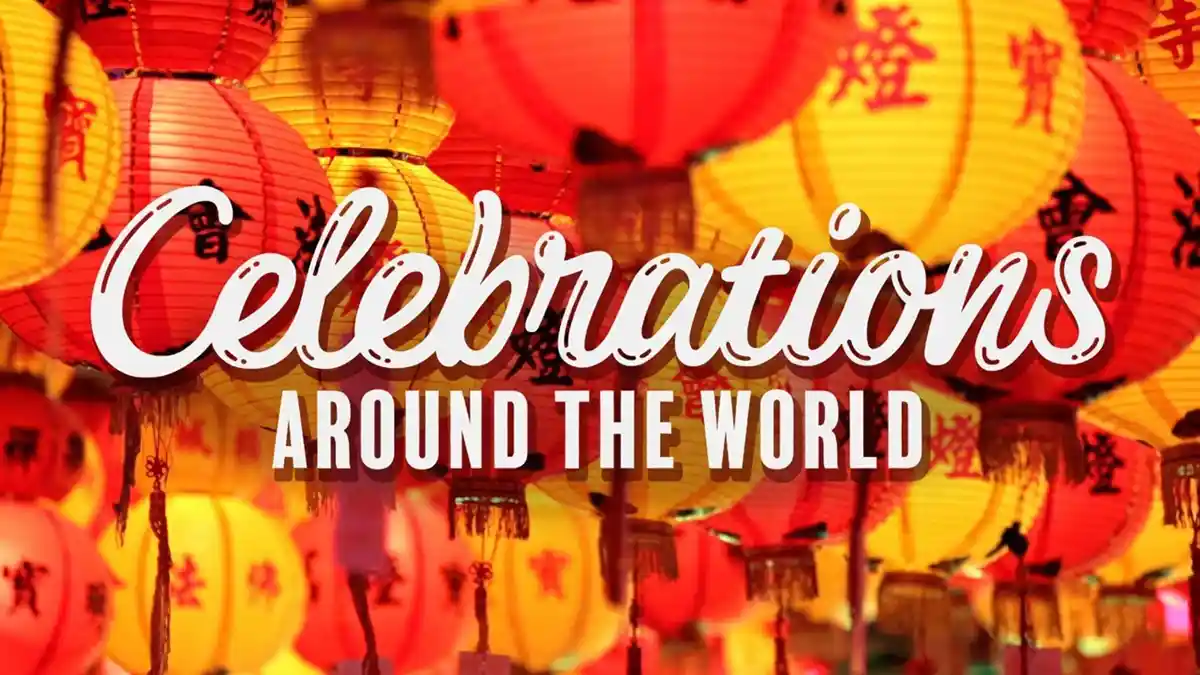
Post-pandemic travel surges have reignited global interest in cultural festivals, and the shift is reshaping how communities preserve ancient traditions.
Our team tracked the most significant celebrations around the world to understand what this renaissance means for travelers, local economies, and heritage preservation heading into 2025.
Key Takeaways:
- Cultural festival attendance has surged by over 40% since 2022, according to UNWTO tourism data.
- Indigenous-led celebrations are gaining unprecedented visibility on global tourism platforms.
- Sustainable festival practices are now a non-negotiable expectation among younger travelers.
Wyoming Rewrites the Rules of Wild Travel
What Is Driving the Global Festival Boom?
Our analysis suggests that the hunger for authentic cultural immersion is at an all-time high.
Travelers no longer want passive sightseeing; they want to participate.
Industry insiders are noting that celebrations around the world are evolving from spectator events into interactive cultural exchanges.
This shift aligns with findings from UNESCO’s Intangible Cultural Heritage program, which reports growing community engagement in traditional festival preservation.
If you’ve been following cultural travel trends, this won’t come as a surprise.
The numbers tell a clear story.
According to National Geographic’s travel reporting, festival-based tourism now accounts for nearly 12% of all international leisure trips.
That figure was closer to 7% just five years ago.
The economic implications are enormous for host communities.
Towns that once struggled to attract off-season visitors are now building entire tourism strategies around their annual festivals.
Which Celebrations Around the World Deserve Your Attention?
We narrowed our focus to events that balance cultural authenticity with responsible tourism practices.
Here is what our research uncovered after months of field reporting and data analysis.
| Festival | Location | Month | Cultural Significance | Avg. Attendance |
|---|---|---|---|---|
| Holi | India | March | Triumph of good over evil | 10M+ |
| Día de los Muertos | Mexico | November | Honoring deceased ancestors | 7.5M+ |
| Carnival | Brazil | February | Pre-Lenten Afro-Brazilian expression | 2M+ daily |
| Lantern Festival | Taiwan | February | Lunar New Year culmination | 10M+ |
| Up Helly Aa | Scotland | January | Viking heritage fire festival | 1,000+ |
Each of these celebrations around the world offers a window into centuries-old traditions that remain vibrantly alive.
The contrast between a fire-lit Scottish procession and a color-drenched Indian street is stark.
Yet both serve the same fundamental human need for communal belonging and shared identity.
We found that the most impactful festivals treat visitors as temporary community members rather than outside observers.
How Will This Impact You as a Traveler?
The short answer is that you need to plan earlier and travel more intentionally than ever before.
Popular festivals are selling out months sometimes years in advance.
BBC Travel recently reported that Rio’s Carnival samba parade tickets now require booking up to eight months ahead.
That timeline was completely unheard of a decade ago.
Our team observed a similar pattern at Japan’s Gion Matsuri and Spain’s La Tomatina.
Demand is outpacing infrastructure at an alarming rate across every continent.
Local governments are responding with stricter crowd controls and, in some cases, hard visitor caps.
Venice’s approach to managing its Carnival crowds offers a cautionary tale worth studying before you commit to any major European festival.
Experience Memphis Before Everyone Else Does
What Steps Should You Take Before Booking?
We recommend a deliberate approach to attending celebrations around the world responsibly.
Follow this step-by-step framework to maximize your experience while respecting host communities.
Step 1: Research the cultural context thoroughly.
Read about the festival’s origins through The British Museum’s cultural archives or peer-reviewed academic sources before booking anything.
Understanding why a community celebrates matters far more than knowing when.
Step 2: Book accommodations well in advance.
Aim for at least six months ahead for major events like Carnival or Holi.
Choose locally owned guesthouses over international hotel chains to keep your spending within the host community.
Step 3: Learn basic local etiquette and customs.
Some festivals enforce strict dress codes, gender-specific participation rules, or photography restrictions.
Cultural Survival publishes excellent guides on respectful engagement with Indigenous celebrations in particular.
Step 4: Offset your travel footprint proactively.
Many festivals now partner with verified carbon-offset programs.
Check whether your chosen event has a sustainability initiative before purchasing tickets or flights.
Step 5: Engage actively, don’t just observe passively.
Ask permission before photographing participants or sacred rituals.
Join community workshops, shared meals, or guided cultural walks whenever they are offered.
Explore Tunisia Before the Crowds Return
Are Smaller Celebrations Around the World Worth the Trip?
Absolutely, and our analysis suggests they often deliver richer experiences than their famous counterparts.
Consider the Esfandegan Festival in Iran or the Naadam Festival in Mongolia.
These events attract fewer international tourists but offer profound insight into regional identity and living history.
The intimacy of a smaller crowd means you are far more likely to have genuine conversations with local participants.
The Guardian’s travel desk has championed this “second-city festival” approach for several years now.
Their reporting consistently shows that smaller celebrations foster more authentic interactions between visitors and residents.
We strongly encourage travelers to look beyond the obvious headliners.
Some of the most transformative cultural experiences we have documented occurred at festivals with fewer than 5,000 attendees.
Explore Tunisia Before the Crowds Return
What Does the Future Hold for Global Festivals?
The trajectory is unmistakable. Celebrations around the world will continue to grow in both scale and cultural significance over the next decade.
The challenge for modern travelers is to engage with these traditions as guests, not consumers.
Preserving the soul of a festival requires restraint, respect, and a genuine willingness to listen to the communities who built them.
We believe the most rewarding journeys are the ones where you leave having learned far more than you arrived with.
Start planning your next cultural immersion today the world’s most extraordinary festivals are waiting.
More Info to Visit Betanden