
Tunisia is quietly emerging as the Mediterranean’s most underrated travel destination, and the window to experience it before mass tourism floods back is narrowing faster than most travelers realize.
Our team has tracked a sharp rise in search interest and flight bookings to this North African nation over the past eighteen months.
If you have been following travel trends, this shift won’t come as a surprise.
The country is actively shedding its old reputation as a package-holiday beach stop and repositioning itself as a serious cultural and adventure destination.
Key Takeaways:
- Tunisia delivers Roman ruins, Saharan dunes, and Mediterranean coastline at a fraction of typical European prices.
- Tourism arrivals are climbing steadily, according to the World Bank, signaling a closing window for off-peak exploration.
- New infrastructure investments are reshaping how visitors experience both ancient heritage sites and coastal resort regions.
Explore Hellas Crete: Travel Trends 2026
Why Is Tunisia Suddenly on Every Traveler’s Radar?
The answer comes down to one word: value. While Greece, Italy, and Croatia have seen accommodation and dining costs surge dramatically since 2022, Tunisia offers comparable history and coastline for significantly less.
Our analysis suggests that budget-conscious travelers from Europe and North America are the primary drivers of this shift.
A week-long stay in the coastal city of Hammamet can cost half what a similar trip to the Amalfi Coast demands.
The country also benefits from a favorable exchange rate that stretches the dollar and euro further than most Mediterranean alternatives.
Industry insiders are noting that boutique riads and eco-lodges in the southern desert regions are now booking out months in advance.
This is a dramatic change from just five years ago, when many of these same properties struggled to fill rooms outside peak summer.
What Does This Mean for History and Culture Enthusiasts?
Tunisia sits on some of the most significant archaeological ground in the entire Mediterranean basin.
The ruins of Carthage, a UNESCO World Heritage Site, rival anything you will find in Rome or Athens for sheer historical weight.
The ancient Phoenician city was once the center of a maritime empire powerful enough to challenge Rome itself across three devastating wars.
Nearby, the Bardo Museum in the capital city of Tunis houses one of the largest and most impressive collections of Roman mosaics on the planet.
Our team observed that guided tours at these sites remain remarkably affordable compared to their European equivalents.
Entry fees rarely exceed a few dollars, and private guides charge a fraction of what you would pay in Italy or Greece.
The medina of Tunis, another UNESCO-listed treasure, offers a winding labyrinth of souks, mosques, and centuries-old architecture that rewards slow, unhurried exploration.
According to the CIA World Factbook, the country’s recorded history stretches back over three thousand years, encompassing Phoenician, Roman, Byzantine, Arab, Ottoman, and French influences.
Rank the Top Things to Do in Santa Fe in 2026
How Should You Plan a Trip to Tunisia?
We recommend a structured approach to get the most from your visit without feeling rushed or overwhelmed.
Step-by-Step Planning Guide:
- Choose your season wisely. Spring (March to May) and autumn (September to November) offer the most comfortable temperatures for extended sightseeing.
- Book flights early. Direct routes from major European hubs are expanding rapidly, but summer seats fill fast and prices spike.
- Split your itinerary geographically. Dedicate at least three days to the northern coast and ruins, then head south for the Sahara.
- Hire a local guide at key sites. Licensed guides provide historical context and cultural insight that guidebooks simply cannot match.
- Check official travel advisories. Review the latest guidance from the UK Foreign Office before finalizing any plans.
- Pack for climate extremes. Coastal areas remain mild year-round, but desert nights can drop below 10°C even during spring months.
What Are the Must-See Regions?
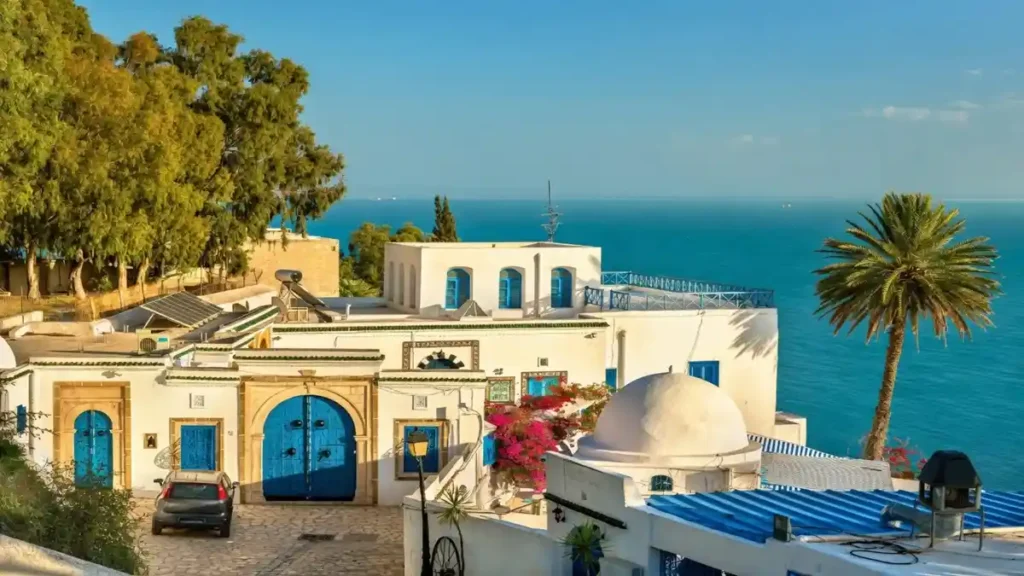
The northern coast delivers genuine Mediterranean charm with towns like Sidi Bou Said, frequently compared to Santorini for its iconic blue-and-white architecture perched above the sea.
The central region is home to the Amphitheatre of El Jem, one of the best-preserved Roman colosseums anywhere in the world and far less crowded than its famous counterpart in Rome.
The south opens dramatically into the Sahara Desert, where the oasis town of Tozeur serves as a gateway to sweeping salt flats, canyon landscapes, and ancient Berber cave dwellings carved into hillsides.
National Geographic has highlighted the Tunisian Saharan region as one of the most visually striking and accessible desert landscapes in all of North Africa.
| Region | Key Attraction | Best Season | Avg. Daily Budget (USD) |
|---|---|---|---|
| Tunis & Carthage | Roman ruins, Bardo Museum | Spring | $50–$80 |
| Sidi Bou Said | Blue-and-white cliffside village | Year-round | $40–$70 |
| El Jem | Roman amphitheatre | Autumn | $35–$60 |
| Tozeur & Sahara | Desert camps, salt flats | Winter | $60–$100 |
Is Tunisia Safe for Travelers Right Now?
Safety is the first question we hear from readers considering a trip to North Africa.
The security situation has improved considerably since the difficult period of the mid-2010s, with increased investment in tourist zone policing and infrastructure.
The World Health Organization reports that health infrastructure in major cities meets international standards for visiting travelers.
Standard precautions apply throughout the country: stay aware in crowded markets, avoid border regions near Libya, and keep valuables secure in busy areas.
We found that locals are genuinely welcoming and eager to share their cuisine, traditions, and daily life with respectful visitors.
Why Chiapas Mexico Is the Next Big Escape
What Does the Future Hold for Visitors?
Tourism revenue is projected to grow significantly as the government invests in airport upgrades and heritage site restoration, per IMF country reports.
This growth represents a double-edged sword for independent travelers seeking authentic experiences.
More visitors will mean better infrastructure and more flight options, but also higher prices and larger crowds at iconic sites like Carthage and El Jem.
Our recommendation is clear and urgent: go now. Tunisia offers a rare combination of ancient history, stunning landscapes, and genuine affordability that will not last indefinitely.
The Mediterranean’s best-kept travel secret is getting harder to keep, and the clock is ticking.
More Info to Visit Betanden