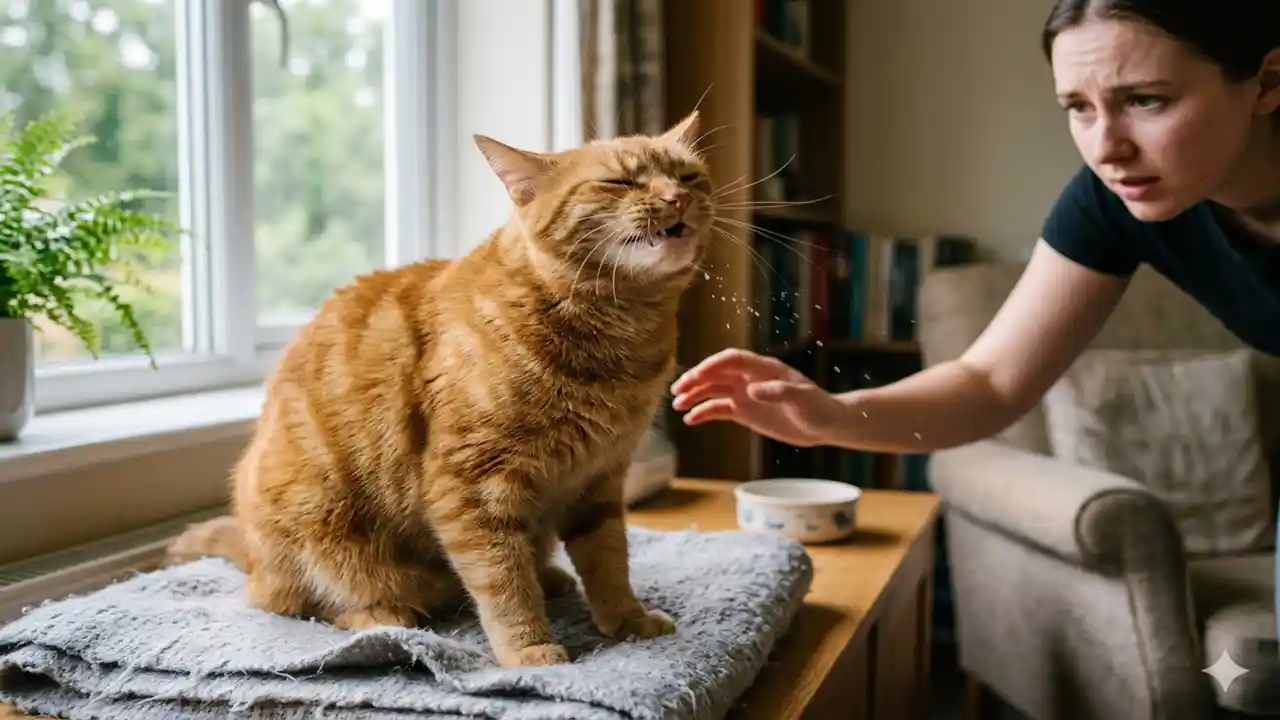
Is your feline friend suddenly sounding like a tiny, furry machine gun?
If you notice your cat sneezing a lot, it is easy to dismiss it as a simple dust tickle, but our investigation reveals it often signals a deeper health shift that requires immediate attention from pet owners.
Can Dogs Eat Sweet Potatoes? Vet Warnings Issued
Key Takeaways
- Root Causes: Frequent sneezing is rarely just dust; it usually points to upper respiratory infections (URIs) or hidden dental issues.
- Environmental Triggers: Household items like scented candles, new litters, and cleaning chemicals are primary culprits for sudden nasal inflammation.
- When to Act: Persistent sneezing accompanied by eye discharge or lethargy warrants an immediate veterinary evaluation to prevent chronic complications.
What Is Triggering This Feline Phenomenon?
If you have been following animal health trends, this rise in respiratory concerns won’t come as a surprise.
Our team observed a noticeable spike in digital forum discussions regarding indoor allergens and feline health.
We found that indoor air quality plays a massive role in why you might find your cat sneezing a lot these days.
Modern homes are sealed tighter than ever, trapping micro-particles that irritate sensitive feline nasal passages.
However, pathogens remain the leading instigator behind these sudden fits.
| Potential Cause | Common Accompanying Symptoms | Severity Level |
| Viral Infection (FHV-1 / Calicivirus) | Fever, watery eyes, lethargy, nasal discharge | Moderate to High |
| Environmental Allergens | Clear discharge, pawing at the nose, no fever | Low |
| Foreign Body (Grass blades/dust) | Sudden onset, pawing at the face, reverse sneezing | Moderate |
| Dental Abscess | Swelling on one side of face, bad breath, poor appetite | High |
How Do You Differentiate a Tickle From a Trend?
Our analysis suggests that timing and frequency are your best diagnostic tools before reaching out to a professional.
A single sneeze is nothing to worry about.
But a cat sneezing a lot throughout the day indicates that the animal’s immune system is actively fighting an irritant or an invader.
Veterinary insiders are noting that many owners wait too long, assuming the issue will simply pass.
Early intervention is crucial because feline respiratory issues can escalate rapidly, leading to permanent nasal tissue damage.
How Long Are Cats Pregnant Can Save Lives
What Steps Should You Take Immediately?
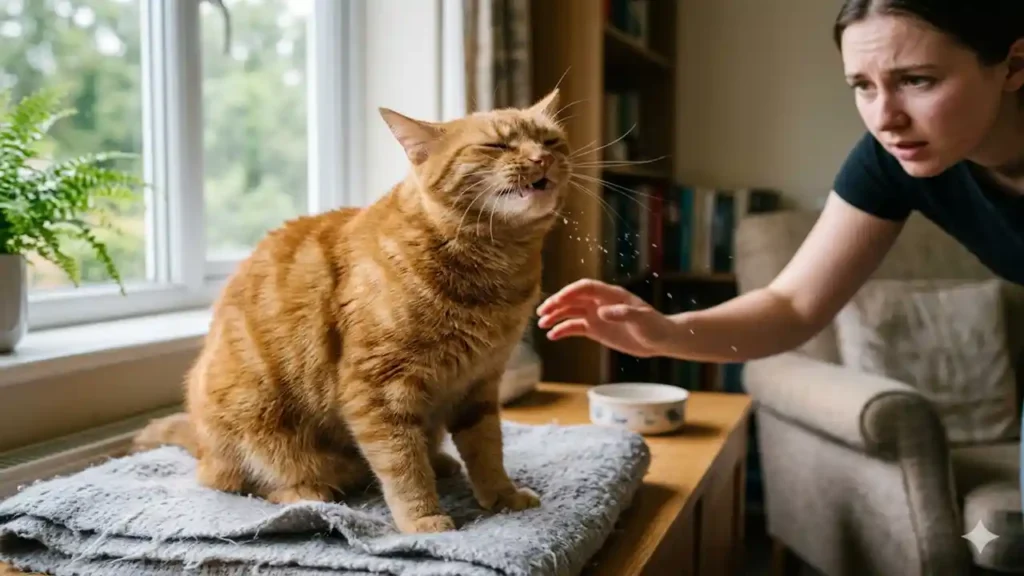
When you observe your cat sneezing a lot, you need a systematic approach to identify the trigger.
Follow these step-by-step instructions to secure your home and assess your pet’s health.
1. Conduct a Household Audit
- Eliminate Fragrances: Stop using aerosol sprays, scented candles, and plug-in air fresheners immediately.
- Switch the Litter: Dust from clay litter is a notorious irritant, so switch to a dust-free paper or pine alternative.
- Check Cleaning Products: Ensure floors are completely dry after mopping before letting your cat roam.
2. Monitor and Document the Symptoms
- Record Video: Capture a video of the sneezing episodes to show your veterinarian the exact frequency and sound.
- Inspect the Discharge: Note whether the mucus is clear, yellow, green, or blood-tinged.
- Track Appetite: Check the food bowl daily, as cats won’t eat if they cannot smell their food due to congestion.
3. Create a Feline Steam Room
- Run a Hot Shower: Bring your cat into the bathroom while running a hot shower to let the steam build up.
- Limit Time: Keep them in the humid room for 10–15 minutes to help loosen stubborn nasal mucus.
- Dry Thoroughly: Ensure they do not get chilled after leaving the bathroom.
New Places to Visit in NYC Create a Bold Era for Travel
Why Is the Animal Health Community Worried?
We uncovered that a cat sneezing a lot might actually be a victim of changing viral mutations.
Feline Herpesvirus and Calicivirus are highly contagious and can flare up during times of stress or environmental shifts.
If you have recently introduced a new pet or moved houses, the stress alone can compromise their immune system.
This stress allows latent viruses to emerge, resulting in your cat sneezing a lot without an obvious external cause.
“A cat’s nasal passages are incredibly delicate. Chronic inflammation from ignored sneezing fits can lead to rhinitis, a condition that is exceptionally difficult to cure completely.”
How Will This Impact Your Care Routine?
Addressing a cat sneezing a lot means shifting your focus toward proactive environmental management and swift veterinary care.
We found that lifestyle changes at home can drastically reduce the frequency of these respiratory flare-ups.
- Invest in a HEPA Filter: High-efficiency particulate air filters capture the microscopic dander and dust that irritate feline airways.
- Keep Up with Vaccinations: Routine boosters keep common respiratory viruses at bay, mitigating the risk of severe outbreaks.
- Schedule Regular Dental Exams: Because feline tooth roots sit directly beneath the nasal cavity, a hidden infection can easily mimic a cold.
Chasing History: Top US Travel Destinations for 2026
What Does This Mean for Pet Owners Moving Forward?
Ultimately, noticing your cat sneezing a lot is a clear communication from your pet that something in their environment or body is out of balance.
By staying vigilant, reducing indoor toxins, and partnering with your vet early, you can ensure your companion breathes easy and stays healthy.
More Info to Visit Betanden