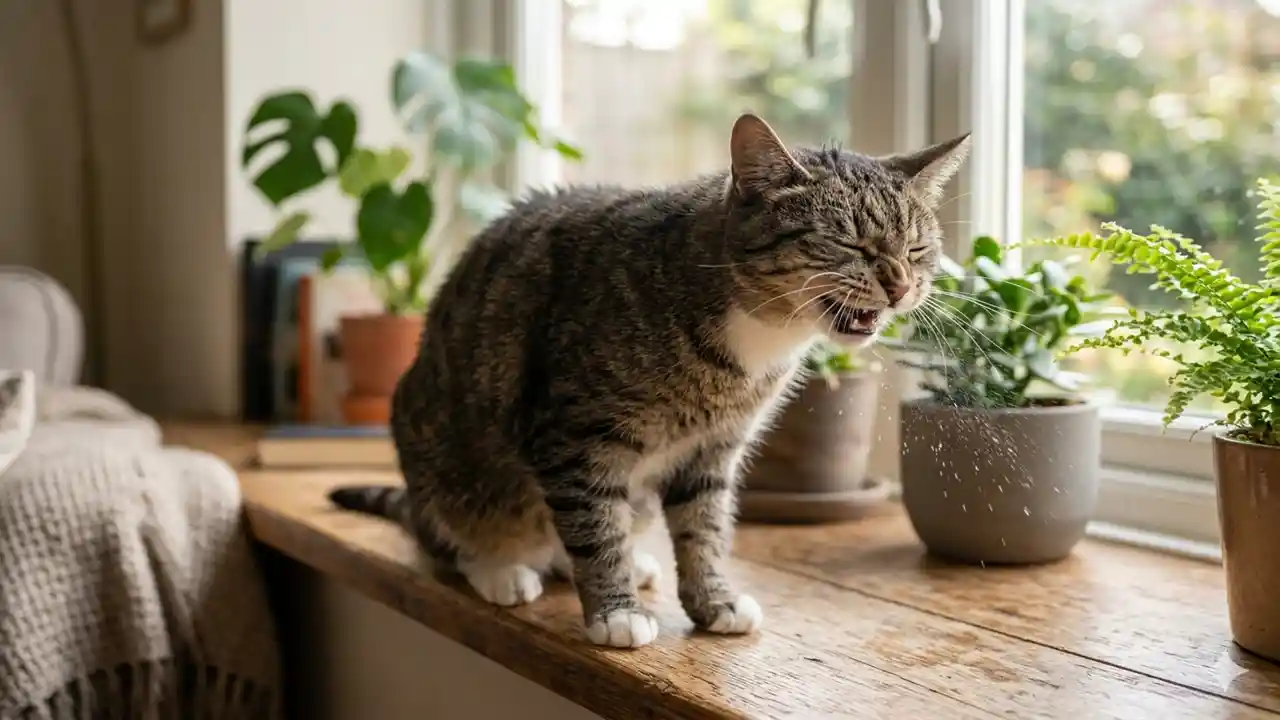
When a sudden achoo echoes from the living room corner, it often catches us off guard.
A single cat sneezing episode might look incredibly endearing on a social media feed.
However, our team’s recent investigation into feline health trends reveals that persistent respiratory changes warrant a much closer look.
Your Cat Sneezing a Lot Demands Quick Action
Key Takeaways
- Context matters: Occasional clearing of the nasal passages is entirely normal for felines.
- Watch for patterns: Chronic symptoms often point to underlying viral or environmental triggers.
- Action is required: Accompanying discharge or lethargy means it is time to consult a professional.
Why Is Your Cat Sneezing Right Now?
If you have been following animal health trends, this won’t come as a surprise.
Veterinary clinics are reporting a seasonal spike in upper respiratory inquiries this year.
Our analysis suggests that changing indoor air qualities and shifting weather patterns play a massive role.
A kitten or an adult cat may react intensely to microscopic shifts in their immediate environment.
While a random cat sneezing event is usually benign, consistent repetition signals an irritated nasal lining.
We found that pet owners often overlook the subtle environmental triggers right under their noses.
Note: Never ignore persistent changes in your pet’s breathing patterns or sudden behavioral shifts.
How Moina Culture Reshapes Aquatic Artistry
What Do the Different Triggers Mean?
To understand the root causes, we collaborated with animal care specialists to map out the primary culprits.
The data reveals a clear divide between temporary environmental irritants and chronic medical conditions.
| Trigger Category | Common Elements | Typical Severity |
| Environmental | Dust, perfume, cigarette smoke, scented litter | Low to Moderate |
| Infectious | Feline Herpesvirus, Calicivirus, Chlamydia | Moderate to High |
| Foreign Bodies | Blades of grass, dislodged seeds, loose fur | Acute / High Urgency |
| Dental Issues | Root infections, advanced gum disease | Chronic / High Urgency |
How Can You Tell If It Is an Emergency?
Industry insiders are noting that distinguishing a mild tickle from a severe infection saves lives.
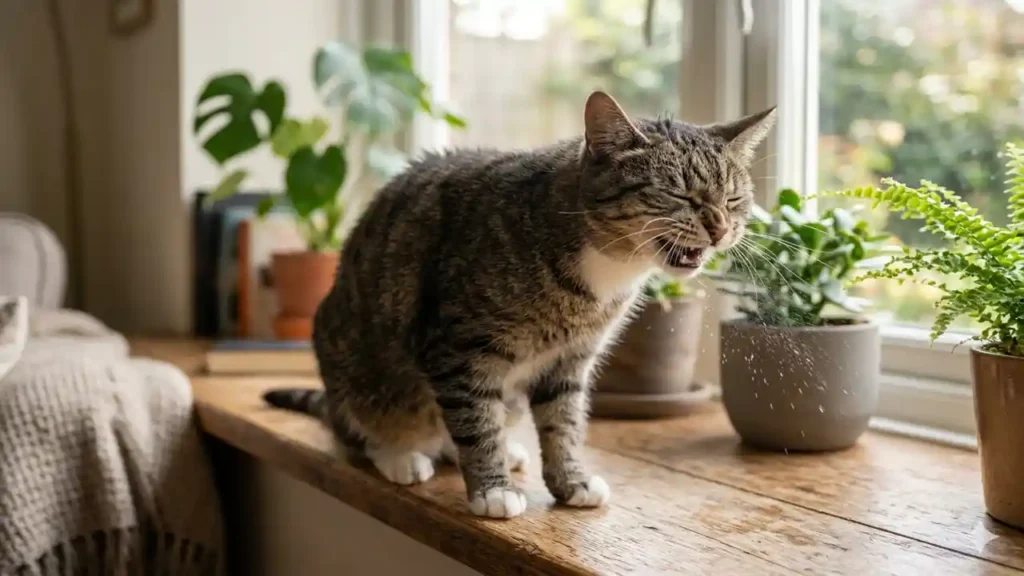
A cat sneezing because of a dusty room looks very different from a pet battling a rampant virus.
Our team observed that secondary symptoms are the true indicators of a feline’s internal health status.
Warning Signs to Monitor
- Nasal discharge: Clear fluid is generally fine, but yellow or green mucus indicates a deeper infection.
- Ocular watery buildup: Gunky, swollen, or red eyes frequently accompany respiratory viruses.
- Lethargy and anorexia: A feline that refuses to eat has likely lost its sense of smell due to congestion.
- Audible wheezing: Labored breathing or a whistling sound requires immediate veterinary evaluation.
What Steps Should You Take Immediately?
If your feline companion is struggling, a systematic approach helps isolate the issue.
We compiled this step-by-step framework to help you manage the situation effectively at home.
Step 1: Clean Up the Air
Eliminate all chemical aerosols, heavily scented candles, and powdery clay litters from the main living spaces.
Switching to an unscented, low-dust alternative can instantly halt a sudden bout of cat sneezing.
Can Dogs Eat Sweet Potatoes? Vet Warnings Issued
Step 2: Introduce Controlled Moisture
Bring your pet into the bathroom while you run a hot shower to let the steam soothe irritated airways.
The humidity works wonders to break up stubborn nasal congestion naturally.
Step 3: Inspect the Face and Mouth
Gently lift the lips to check for swollen gums or foul odors that point toward dental decay.
An abscessed tooth root can break into the nasal cavity, causing chronic cat sneezing fits.
Step 4: Track the Frequency
Keep a written log of when the episodes happen and what activities preceded them.
This data proves invaluable when you finally present your findings to a qualified veterinarian.
How Do Specialists Treat Feline Respiratory Issues?
When home adjustments fail, professional intervention becomes necessary to restore comfort.
Veterinarians possess the diagnostic tools required to pinpoint the exact source of the distress.
Treatment protocols vary wildly based on the underlying diagnosis discovered during the exam.
For viral infections, supportive care and specialized antiviral medications are standard protocol.
If a bacterial infection has taken hold, a targeted course of antibiotics is typically prescribed.
When a foreign object is lodged in the nasal passage, gentle sedation and extraction are required.
Addressing dental disease often involves a deep cleaning or extracting the damaged tooth entirely.
Transit Reshapes the Yucatan Peninsula Tulum Scene
How Can You Prevent Future Issues?
Proactive management is always superior to reactive treatments in animal care.
Our analysis suggests that routine lifestyle choices heavily influence a feline’s long-term respiratory strength.
Ensuring your pet receives their core vaccinations on time significantly reduces viral risks.
Using high-efficiency particulate air filters in your home keeps the breathing environment pristine.
Keeping your pet indoors minimizes their exposure to stray vectors and harsh outdoor allergens.
Ultimately, a cat sneezing repeatedly should never be written off as just a quirky habit.
By staying vigilant and maintaining a clean environment, you ensure your companion breathes easy for years to come.
More Info to Visit Betanden