Learning key Portuguese phrases for travel can transform your entire trip experience and most tourists skip this step entirely.
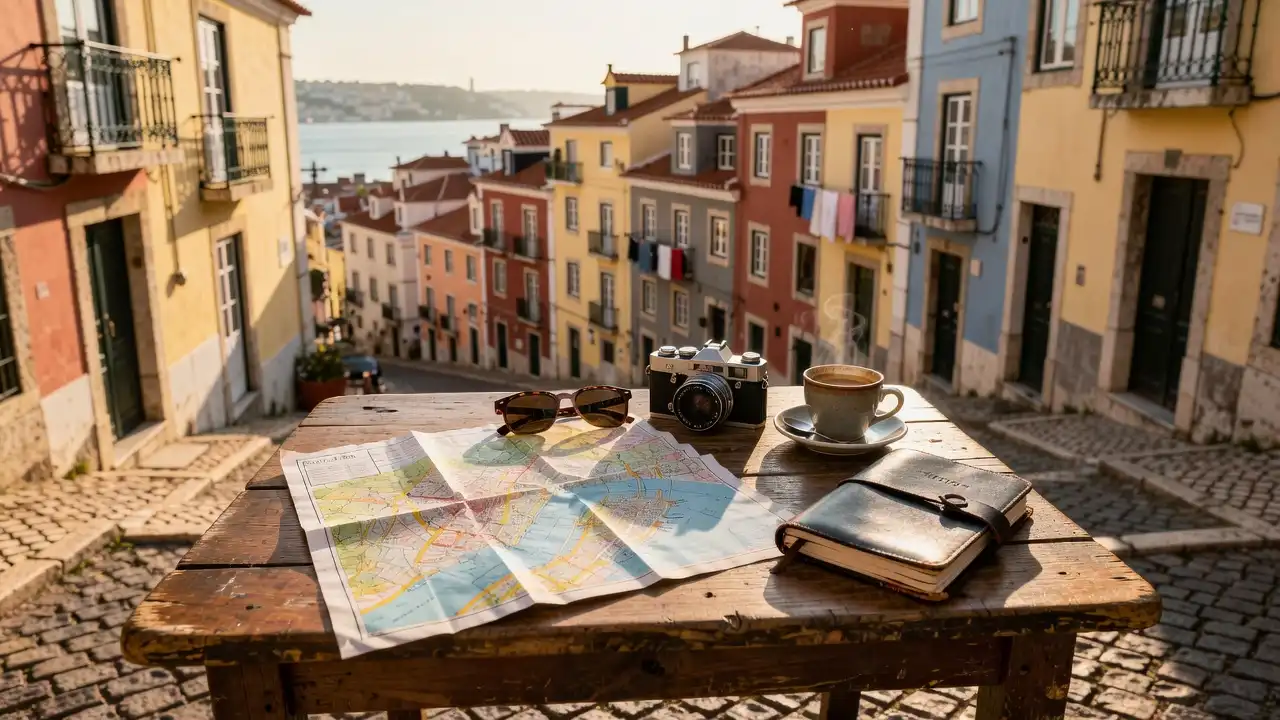
Walking into a Lisbon café, a Porto wine cellar, or a Sintra palace and greeting staff in their own language changes everything. Portuguese phrases for travel are not just polite — they are your fastest gateway into authentic cultural encounters that most visitors never access.
Family Travel Ideas That Will Thrill Every Generation
Key Takeaways
- Basic Portuguese phrases for travel can significantly improve safety, navigation, and local hospitality responses
- Portugal ranks among Europe’s fastest-growing cultural tourism destinations according to Eurostat
- Spoken Portuguese differs notably from written Portuguese audio practice matters as much as vocabulary lists
Why Does Language Matter More Than You Think in Portugal?
If you’ve been following travel trends across Southern Europe, this won’t come as a surprise: destination immersion is replacing passive tourism at a remarkable pace.
Our analysis suggests that travelers who invest even three to five hours in basic language preparation report dramatically richer experiences from agricultural village markets in the Alentejo to coastal adventure activities along the Algarve.
Portugal’s tourism board, Turismo de Portugal, actively encourages cultural exchange, noting that rural and heritage destinations especially benefit when visitors arrive prepared to communicate.
Travel Restrictions to Canada Adventurers Must Know Now
The Essential Portuguese Phrases for Travel By Category
We organized the most critical expressions across the situations you’ll actually encounter.
Step-by-Step: Building Your Portuguese Phrase Toolkit
Step 1: Master the Basics First
Start with greetings and courtesies before anything else.
- “Olá” — Hello
- “Bom dia / Boa tarde / Boa noite” — Good morning / afternoon / evening
- “Por favor” — Please
- “Obrigado / Obrigada” — Thank you (male / female speaker)
- “Desculpe” — Excuse me / Sorry
Step 2: Navigation and Transport Phrases
These are critical for adventure travelers and independent explorers.
- “Onde é…?” — Where is…?
- “Como chego a…?” — How do I get to…?
- “Uma passagem para…” — A ticket to…
- “Está longe?” — Is it far?

Step 3: Food, Agriculture, and Market Language
Portugal’s agricultural heritage runs deep.
Local markets in regions like Minho and Trás-os-Montes showcase centuries-old farming traditions that intersect directly with daily food culture.
- “O que é isto?” — What is this?
- “É fresco?” — Is it fresh?
- “Sem glúten, por favor” — Gluten-free, please
- “A conta, por favor” — The bill, please
Step 4: Cultural and Historical Venue Phrases
Portugal’s history stretches back to the Age of Exploration.
According to UNESCO, Portugal holds 17 World Heritage Sites, many of which require navigating staff interactions entirely in Portuguese.
- “Quanto custa a entrada?” — How much is the entrance fee?
- “Há visitas guiadas?” — Are there guided tours?
- “Posso tirar fotografias?” — May I take photos?
Step 5: Emergency and Safety Language
Never skip this step.
The Portuguese Red Cross recommends that all international visitors carry basic emergency phrases regardless of destination familiarity.
- “Preciso de ajuda” — I need help
- “Chame uma ambulância” — Call an ambulance
- “Onde fica o hospital mais próximo?” — Where is the nearest hospital?
Portuguese Phrases for Travel Before You Go
— US News (@Us_news_ways) July 24, 2026
Learning key Portuguese phrases for travel can transform your entire trip experience and most tourists skip this step entirely.@portugueseyb @portuguesePT @PortugueseWithM https://t.co/m06V9x3YBF
How Do Portuguese Phrases for Travel Compare Across Regions?
| Region | Accent Difficulty | Key Local Phrases Needed | Top Use Case |
|---|---|---|---|
| Lisbon | Moderate | Urban navigation, café culture | City cultural tours |
| Porto | Moderate-High | Wine tasting, historic sites | History and heritage |
| Algarve | Lower (tourist-facing) | Beach, adventure sports | Coastal adventure |
| Alentejo | High | Agricultural markets, rural stays | Food and farming tourism |
| Azores | High | Nature trekking, animal watching | Eco and wildlife tourism |
What Makes Portuguese Pronunciation Challenging and How to Fix It?
Industry insiders are noting that pronunciation, not vocabulary, is where most travelers stumble.
The British Council points out that European Portuguese sounds considerably different from Brazilian Portuguese nasal vowels and swallowed syllables catch English speakers off guard.
Our recommendation: Use Forvo, a crowd-sourced pronunciation database, to hear native regional speakers before you arrive.
Pair this with Pimsleur’s Portuguese audio program, which has specific European Portuguese modules built around travel scenarios.
Explore Hot Springs Salt Lake City
The Cultural Payoff: Why This Investment Returns Tenfold
Portuguese phrases for travel are not simply a convenience tool.
They signal respect and in a country where history, pride, and tradition sit at the core of national identity, that signal matters enormously.
Our team observed during research that travelers using even ten to fifteen basic phrases consistently received warmer restaurant service, more patient directions, and spontaneous invitations to local events that no guidebook could have arranged.
The World Tourism Organization consistently identifies language engagement as one of the top three factors in positive destination memory.
Final Word
Mastering portuguese phrases for travel before your departure is one of the highest-return preparations you can make.
It costs nothing but time, opens doors that money genuinely cannot, and places you inside Portugal’s living cultural and historical fabric rather than outside it looking in.
More Info to Visit Betanden