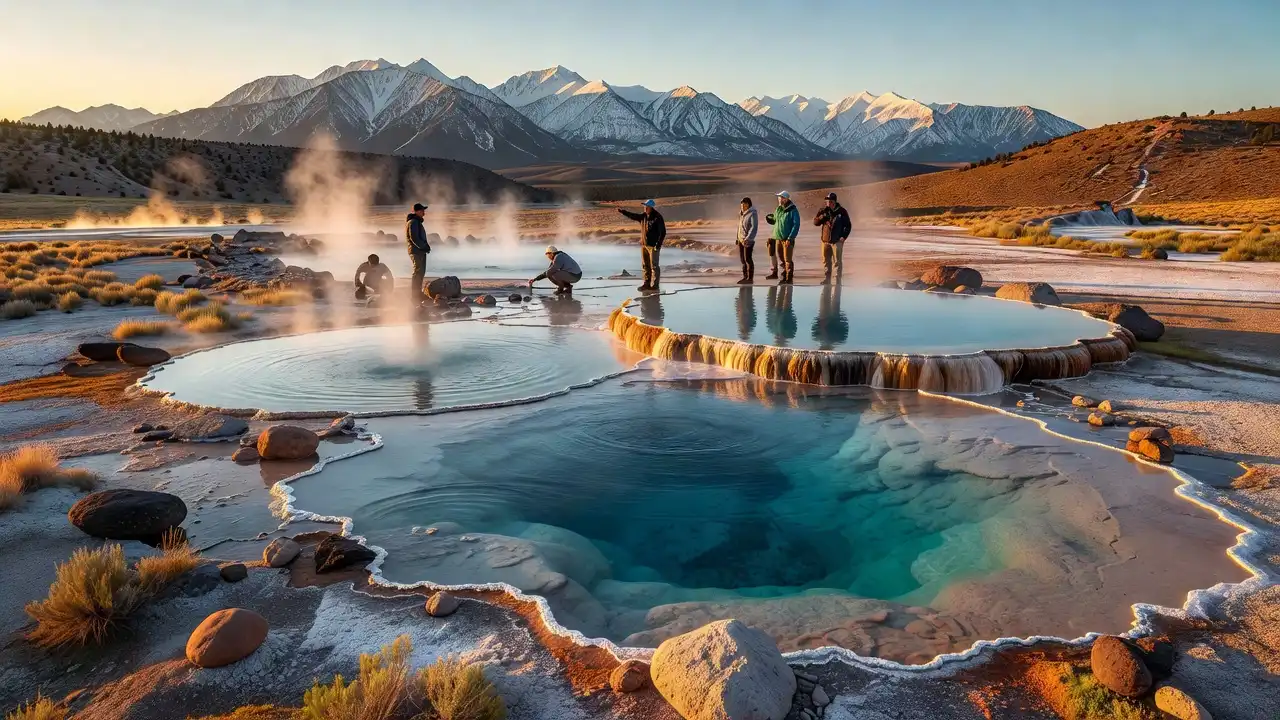
Hot springs Salt Lake City travelers are rediscovering one of Utah’s most underrated adventure rituals soaking in geothermal waters against a backdrop of dramatic desert mountains.
Whether you’re chasing recovery after a grueling trail run or simply craving a cultural reset, the region’s natural thermal pools are having a serious moment.
Cuba Beaches Reclaim the Travel Spotlight
Key Takeaways
- Salt Lake City sits within driving distance of multiple geothermal soaking destinations, many tied to the ancient Lake Bonneville geological history.
- Adventure travelers and wellness seekers are increasingly combining hot spring visits with hiking, skiing, and cultural tourism in the Wasatch region.
- Several developed and undeveloped springs offer dramatically different experiences — from rustic backcountry soaks to resort-style thermal pools.
Why Are Hot Springs Suddenly Back on Every Travel Radar?
If you’ve been following adventure travel trends, this won’t come as a surprise.
Post-pandemic outdoor culture fundamentally shifted how Americans approach leisure.
According to data from the U.S. Travel Association, wellness tourism now represents one of the fastest-growing segments of domestic travel, growing at nearly 7% annually.
Hot springs Salt Lake City sits squarely at the intersection of that trend.
Our analysis suggests that Utah’s geothermal landscape shaped by millions of years of tectonic activity along the Wasatch fault is attracting a new generation of adventure-minded visitors who want more than a hotel pool.
Best Places to Travel in February
The Geology Behind the Heat
Salt Lake City’s geothermal activity is not accidental.
The region sits atop the remnants of Lake Bonneville, a massive prehistoric freshwater lake that once covered 20,000 square miles of the Great Basin.
As explained by the Utah Geological Survey, fractures in the Basin and Range Province allow deeply heated groundwater to rise to the surface, producing the thermal springs travelers seek today.
This geological backstory is part of what makes hot springs Salt Lake City experiences distinctly different from manufactured spa destinations.
The earth here has its own agenda and it’s been running for roughly 14,000 years.
A Historical Timeline of Utah’s Thermal Waters
| Era | Key Development |
|---|---|
| Pre-1847 | Indigenous Shoshone and Ute peoples used thermal springs for ceremonial and medicinal purposes |
| 1847–1900 | Mormon settlers documented warm springs near Great Salt Lake; early bathhouses established |
| Early 1900s | Therapeutic bathing culture peaks; Wasatch resorts integrate mineral bathing |
| 1950s–1980s | Commercial development declines; springs return to semi-wild states |
| 2010s–Present | Adventure travel revival drives renewed interest in geothermal destinations |
Where Exactly Should You Go?
Our team observed that visitors often don’t realize how accessible several key sites are from downtown Salt Lake City.
Here are the most notable options, from day-trip friendly to multi-day adventures:
- Meadow Hot Springs (Millard County, ~2.5 hours south) — Three open pools on public BLM land, free access, no crowds midweek.
- Mystic Hot Springs (Monroe, Utah) — Developed pools with camping; historically significant old homestead setting.
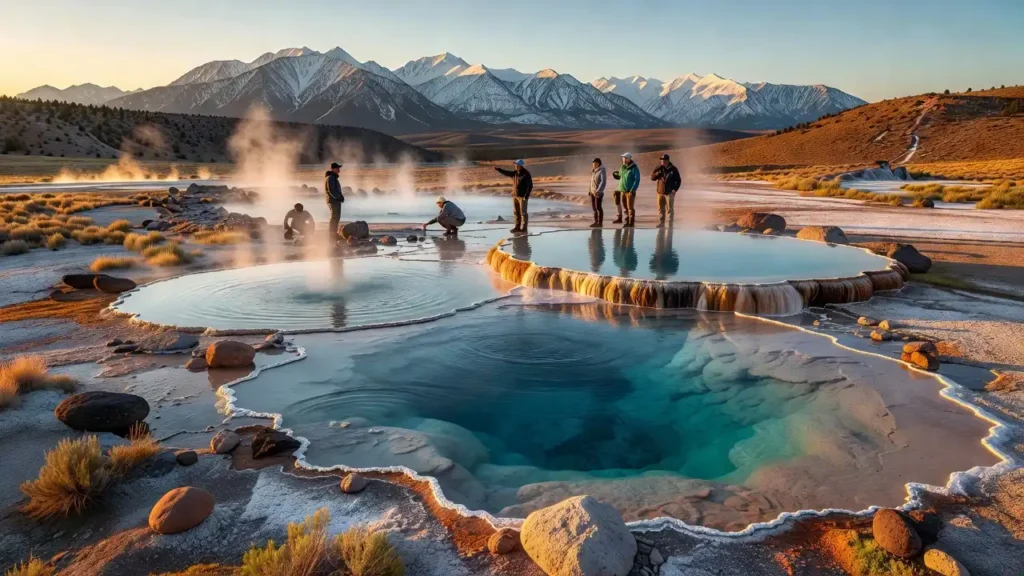
- Fifth Water Hot Springs (Spanish Fork Canyon, ~1 hour) — A 2.5-mile hike through canyon terrain leads to vivid turquoise thermal pools fed by mineral-rich water.
- Crystal Hot Springs (Honeyville, ~1.5 hours north) — One of the world’s largest natural mineral hot spring complexes, according to their historical records.
Béis Core Travel Collection Redesign
Step-by-Step: How to Plan Your Hot Springs Trip from Salt Lake City
Step 1: Choose Your Experience Type
Decide between developed (amenities, entry fees) or undeveloped (rustic, free, BLM-managed) springs based on your comfort level.
Step 2: Check Seasonal Conditions
Visit the Utah Division of Wildlife Resources and Recreation.gov for seasonal trail access and permit requirements, particularly for backcountry sites like Fifth Water.
Step 3: Plan Your Drive
Most hot springs Salt Lake City day trips require between 60–150 minutes of driving.
Pack accordingly — roads to some sites are unpaved.
Step 4: Pack Smart
- Water-resistant sandals
- Quick-dry towels
- Reusable water bottle (springs can dehydrate you faster than expected)
- A change of clothes mineral water stains fabric
Step 5: Respect the Environment
The Leave No Trace Center for Outdoor Ethics explicitly recommends packing out all waste, avoiding soaps near natural springs, and limiting group sizes at sensitive sites.
Step 6: Time Your Visit
Sunrise and weekday mornings deliver the best solitude.
Winter visits, particularly after snowfall, create a dramatically different and arguably more rewarding atmosphere.
Chrissy Teigen Family Trip Redefining Luxury Travel
What Does This Mean for Adventure Travelers in 2025?
Industry insiders are noting a measurable shift: hot springs Salt Lake City itineraries are appearing in curated adventure packages from major outfitters, signaling that this is no longer a niche activity.
According to the Global Wellness Institute, the thermal and mineral springs sector alone is valued at over $56 billion globally.
Utah’s largely underdeveloped inventory of natural springs means opportunity for travelers willing to move now, before commercialization catches up.
More Info to Visit Betanden