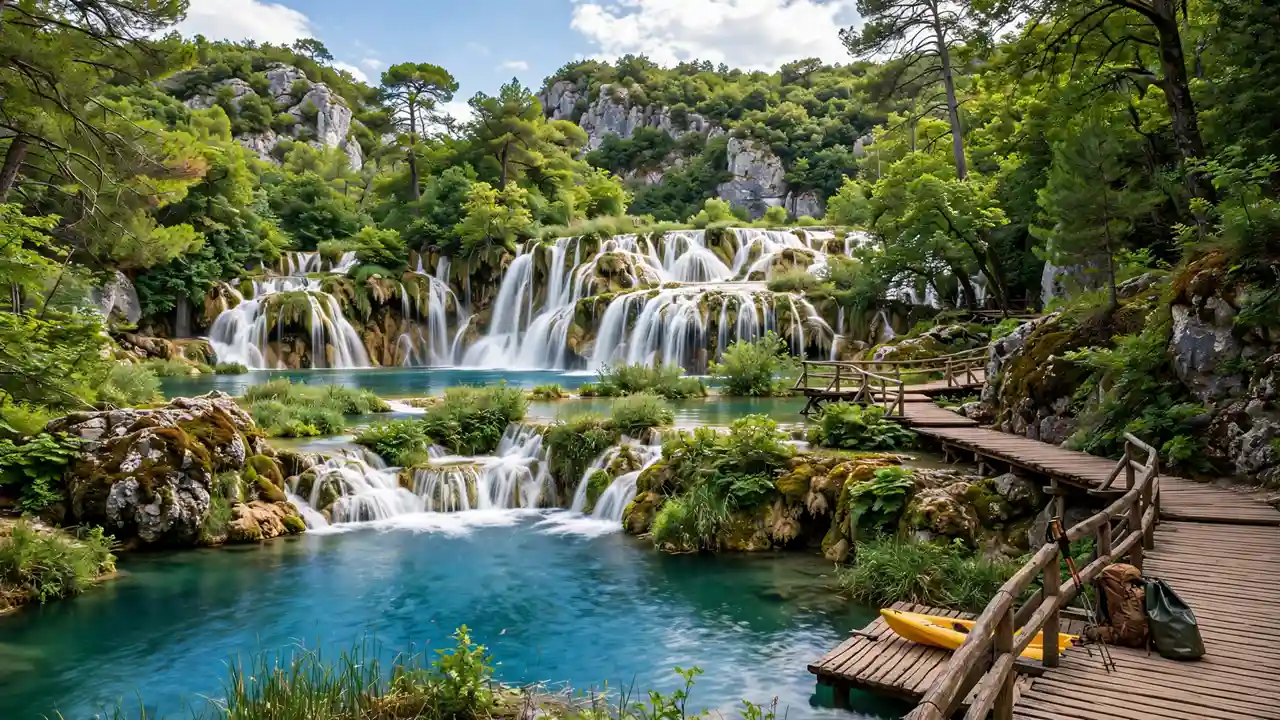
Krka National Park is rewriting the rules of European adventure travel and if you haven’t put it on your itinerary yet, our analysis suggests you’re already behind the curve.
Nestled in the Šibenik-Knin County of Croatia, this ancient waterfall wonderland offers a rare collision of raw adventure, layered history, and wildlife encounters that few destinations on the continent can match.
This is the moment to pay attention.
Travel To Epic Adventures Beyond The Ordinary
Key Takeaways
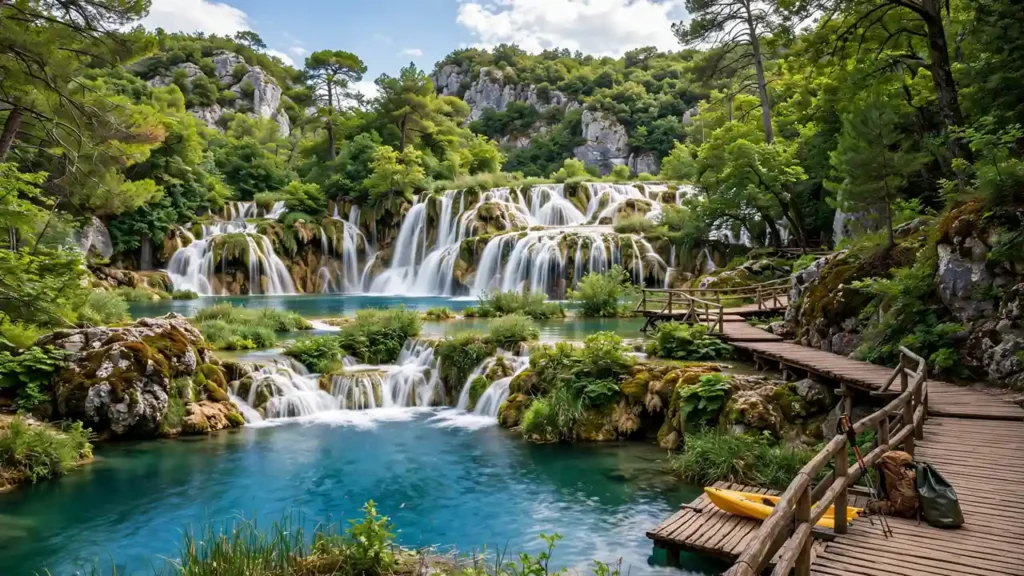
- Krka National Park spans over 109 km² and features seven spectacular travertine waterfalls, including the iconic Skradinski Buk.
- The park holds significant cultural and historical weight, housing Roman ruins, medieval fortresses, and Orthodox monasteries within its boundaries.
- Adventure travellers, wildlife watchers, and history enthusiasts can all find distinct, deeply rewarding experiences here often on the same trail.
What Makes Krka National Park Different From Every Other Park in Europe?
If you’ve been following adventure travel trends across the Mediterranean, this won’t come as a surprise: Croatia’s interior is experiencing a serious surge in international attention.
But Krka isn’t simply riding a wave of popularity.
According to Croatia’s Ministry of Tourism and Sports, the park recorded over 800,000 visitors in a recent annual cycle, yet its layered terrain continues to absorb travellers in ways that mass-tourism spots like Dubrovnik simply cannot.
Our team observed this firsthand: the trails diverge quickly, the river canyon deepens, and within twenty minutes of entering, you feel genuinely alone with the landscape.
Agriculture Zomboid Survival Farming Just Got Real
How Do You Plan Your Visit Step by Step?
Planning a trip to Krka National Park requires more than booking a ferry.
Here is a clear, step-by-step framework to get the most out of your visit:
Step 1: Choose Your Entry Point
The park has multiple access gates Skradin, Lozovac, Roški Slap, and Burnum.
Skradin is the most scenic and recommended for first-time visitors.
Step 2: Book Tickets in Advance
Purchase entry through the official Krka National Park portal to avoid queues, especially during July and August.
Step 3: Select Your Activity Track
- Adventure & hiking → Take the canyon rim trails toward Roški Slap waterfall.
- Wildlife & animal observation → Visit early morning near the river wetlands for otters, herons, and rare amphibians.
- Cultural & history focus → Head to the Krka Monastery and the Roman military camp at Burnum.
Step 4: Arrange Transport
Boat transfers operate between Skradin and Skradinski Buk.
According to Lonely Planet’s Croatia guide, the boat ride itself is considered one of the most scenic short journeys in the Adriatic region.
Step 5: Pack Accordingly
The terrain is uneven, the sun is aggressive in summer, and the water spray near the falls is constant.
Bring layered clothing, waterproof footwear, and sun protection rated SPF 50+.
Agriculture food and natural resources
What Historical Layers Will You Actually Find Here?
Krka National Park is not just a nature reserve it is, in every honest sense, an open-air historical archive.
| Historical Site | Period | Significance |
|---|---|---|
| Burnum Roman Camp | 1st century AD | Former Roman legion base on the Krka River |
| Krka Monastery (Visovac) | 15th century | Franciscan monastery on an island; active to this day |
| Krka Monastery (Orthodox) | 14th century | Serbian Orthodox site with royal Serbian ties |
| Čiklić Watermill Complex | 19th century | Preserved traditional agricultural milling system |
| Nečven Fortress | Medieval period | Hilltop fortress overlooking the canyon |
Industry insiders are noting that the combination of Roman-era infrastructure alongside living religious communities makes Krka National Park almost uniquely positioned in European heritage tourism.
The UNESCO World Heritage Centre has long tracked Croatia’s natural and cultural sites, and the cultural density within Krka’s borders reflects exactly the kind of layered significance that preservation bodies prize.
Agriculture Jobs Near Me How Farming Is Hiring Now
What Animals Will You Actually Encounter?
The park’s river ecosystem supports an extraordinary range of wildlife.
According to the Croatian Environment Agency, the Krka River basin is home to:
- Eurasian otters — increasingly rare across Europe, thriving here
- Over 200 bird species, including kingfishers, herons, and peregrine falcons
- 18 species of fish endemic to the Dalmatian region
- Rare amphibians catalogued under EU Habitats Directive protections
For animal and wildlife travellers, the early morning window between 6:00 AM and 8:30 AM is statistically the most productive observation period, particularly along the upper Čikola tributary.
How Will This Impact Your Travel Planning for 2025 and Beyond?
The World Tourism Organization (UNWTO) projects that nature-based and heritage tourism will grow by over 30% through 2030.
Krka National Park sits directly at the intersection of every category driving that growth: adventure, cultural exploration, animal encounters, and agricultural history in a single accessible destination.
Our analysis suggests that travellers who visit in shoulder season — April to early June or September gain the fullest experience with significantly lower crowds.
The park, the canyon, and the waterfalls will still be there.
The question is whether you’ll be strategic enough to experience them properly.
More Info to Visit Betanden