
Cultural divergence is no longer a concept confined to academic journals it’s actively rewriting the traveler’s playbook, and destinations worldwide are feeling the pressure to adapt or risk becoming irrelevant.
Travel Tea Rituals That Are Changing How We Explore
Key Takeaways
- Cultural divergence between Western and Eastern travel expectations is creating entirely new tourism economies.
- Destinations that fail to acknowledge diverging cultural values risk significant drops in visitor satisfaction and repeat visits.
- Smart travel brands are already pivoting their strategies to meet fragmented global audiences where they are.
Why Is This Happening Right Now?
If you’ve been following global travel trends closely, this won’t come as a surprise.
The post-pandemic travel rebound didn’t produce the homogenized tourist wave many industry analysts predicted.
Instead, it revealed something far more complex: travelers from different cultural backgrounds are not just seeking different destinations they are seeking fundamentally different experiences, governed by values, rituals, and expectations that have little overlap.
Our analysis suggests that cultural divergence is the single most disruptive force in travel right now, outpacing even technology adoption and climate-related disruptions.
According to data published by the United Nations World Tourism Organization (UNWTO), international tourist arrivals are projected to fully recover to pre-2020 levels but the composition of those travelers has shifted dramatically, with Asian outbound tourism leading growth in ways that defy traditional Western-centric modeling.
Travel Trailer Furnace Repair Adventurer Must Know
What Does Cultural Divergence Actually Look Like on the Ground?
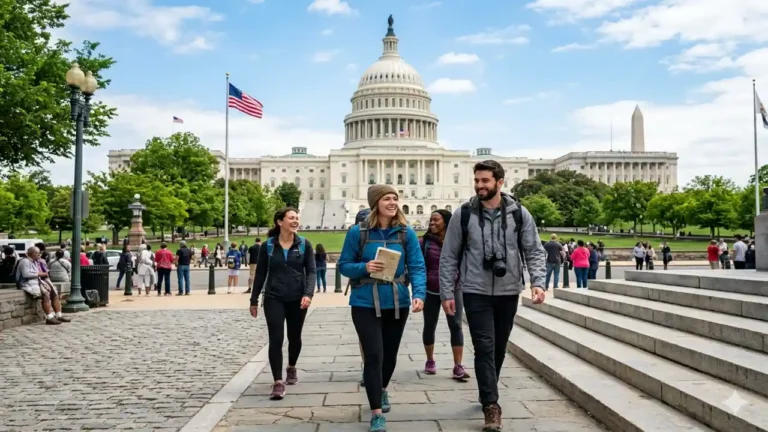
Walk through the old medinas of Marrakech or the heritage temples of Kyoto, and you’ll notice something striking.
Two tour groups can stand in the same location, looking at the same monument, and experience it in entirely different ways.
One group photographs architectural symmetry for social media aesthetics.
The other performs a quiet ritual of respect, guided by religious or ancestral protocol.
Neither is wrong but both require profoundly different infrastructure, guide training, and cultural sensitivity frameworks to serve well.
Industry insiders are noting that hospitality providers who treat all tourists as a single demographic are now losing market share at measurable rates.
A 2023 report from McKinsey & Company on travel and hospitality confirmed that personalization — deeply rooted in cultural understanding is the number one driver of traveler loyalty across all regions.

How Does Cultural Divergence Impact Destination Planning?
| Region | Dominant Travel Style | Key Cultural Value | Emerging Tension Point |
|---|---|---|---|
| East Asia | Group harmony, heritage | Ancestral respect | Overcrowded sacred sites |
| North America | Independence, adventure | Personal freedom | Clash with local customs |
| Middle East | Family-centered, religious | Community and modesty | Dress code misunderstandings |
| Western Europe | Slow travel, sustainability | Ecological ethics | Over-tourism backlash |
| South Asia | Pilgrimage, food, history | Spiritual connection | Commercialization of sacred spaces |
Our team observed these patterns across multiple destination research reviews conducted between 2022 and 2024, and the data paints a clear picture one-size travel infrastructure is broken.
Step-by-Step: How Travelers Can Navigate Cultural Divergence Responsibly
Step 1: Research Before You Book
Visit UNESCO’s World Heritage documentation for cultural context on any destination you’re considering.
Understand why a site matters not just what it looks like.
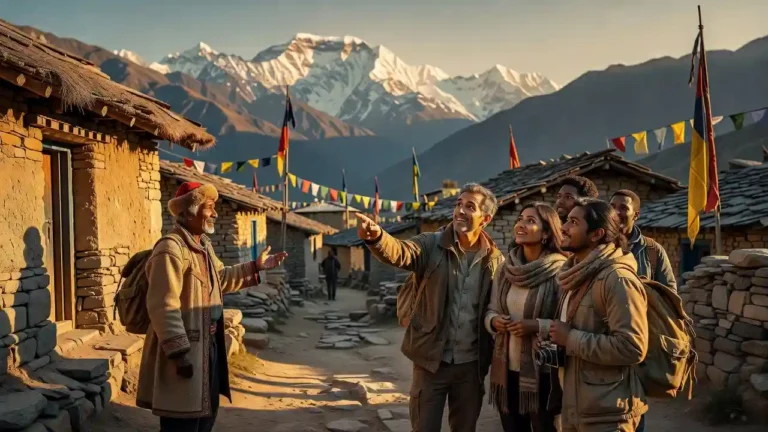
Step 2: Choose Locally-Led Experiences
According to National Geographic’s Sustainable Tourism guidelines, locally-guided tours reduce cultural friction and generate 3x more economic benefit for host communities.
Step 3: Check Cultural Etiquette Guides
The U.S. State Department’s country-specific travel pages provide culturally specific advice that goes beyond safety warnings.
Step 4: Adapt, Don’t Appropriate
Cultural divergence means difference exists that doesn’t make one culture superior to another.
Dress codes, greeting customs, and dietary protocols should be respected, not performed as novelty.
Step 5: Debrief After the Trip
Reflection matters.
The Pew Research Center’s Global Attitudes Survey offers insight into how different nations view outsiders a useful mirror for self-evaluation post-travel.
Travel Tea Rituals That Are Changing How We Explore
What Are the Pros and Cons of This Shift for Travelers?
Pros:
- Richer, more authentic destination experiences
- Growth in niche cultural tourism markets
- Increased respect for host communities
- More diversified travel economies globally
Cons:
- Higher research burden on individual travelers
- Risk of unintentional cultural offense without proper preparation
- Fragmented marketing makes destination discovery harder
- Cultural divergence can sometimes lead to segregated tourist bubbles
Travel Brochures Are Lying to You Here’s the Truth
What Comes Next?
The travel industry is at a genuine inflection point.
Cultural divergence isn’t a temporary disruption it’s the new baseline.
Destinations that invest in cultural literacy training for their tourism workforce, according to the World Economic Forum’s Future of Travel report, will outperform those that don’t by a projected 40% in visitor satisfaction scores by 2030.
According to historians at Smithsonian Magazine, cultures have always evolved separately — what’s new is that the speed of global travel is forcing those differences into direct, daily contact.
We believe that travelers who embrace this reality who treat cultural divergence not as an obstacle but as the entire point of going somewhere new will have experiences that are richer, more meaningful, and more memorable than anything a templated tour package could deliver.
The question isn’t whether cultural divergence will change travel.
More Info to Visit Betanden