High-altitude travel across the Andes is surging, and the titicaca to Cusco corridor has emerged as the route seasoned explorers are prioritizing this season.
If you have been watching South American travel patterns shift away from overcrowded destinations, this development deserves your immediate attention.
Key Takeaways:
- The Lake Titicaca region sits at 3,812 meters, making acclimatization a non-negotiable step for every traveler.
- A titicaca to Puno or Cusco overland journey now offers improved infrastructure compared to five years ago.
- Indigenous Uros and Taquile communities are opening new cultural immersion programs for small groups.
What Makes the Titicaca to Andes Corridor Different This Year?
Our analysis suggests that post-pandemic travel behavior has fundamentally reshaped how visitors approach the Peruvian highlands.
Industry insiders are noting a sharp increase in demand for multi-day overland routes rather than quick fly-in visits.
The journey from titicaca to the Sacred Valley now anchors many itineraries that previously skipped the altiplano entirely.
According to Peru’s official tourism board, visitor numbers to the Puno region climbed steadily through 2023 and into 2024.
This growth has prompted local operators to invest in better roads, upgraded lodges, and bilingual guides.
How Should You Prepare for High-Altitude Travel?
We found that altitude sickness remains the single biggest obstacle for first-time visitors to the titicaca to La Paz or Cusco corridor.
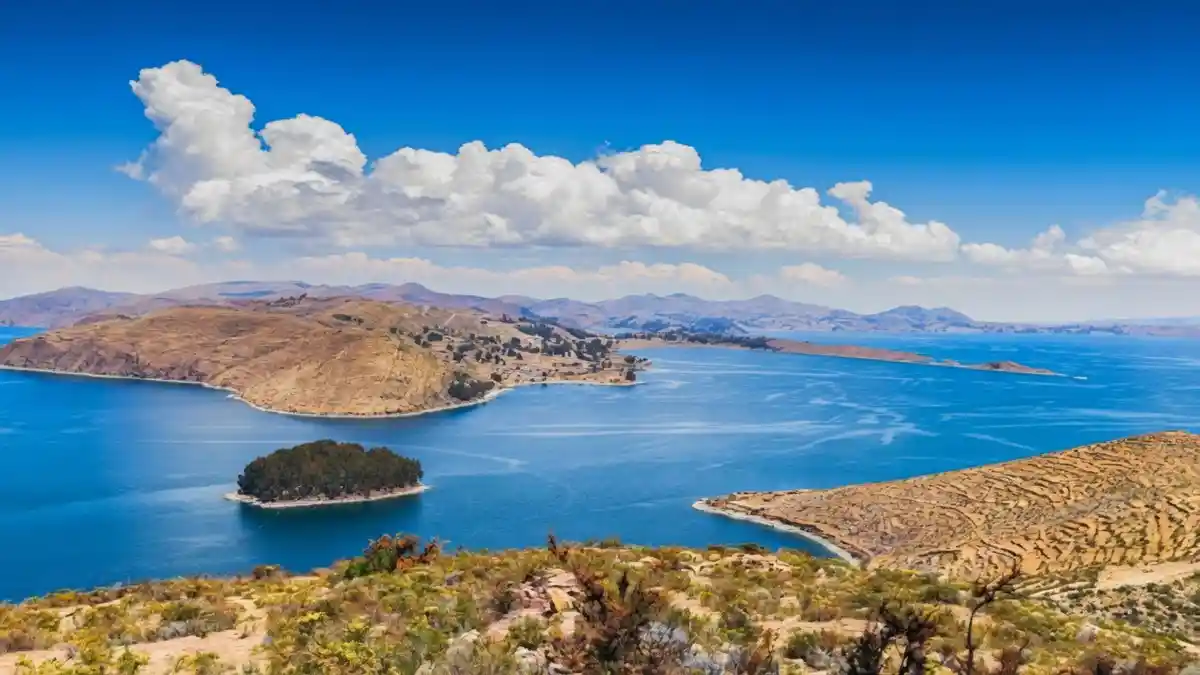
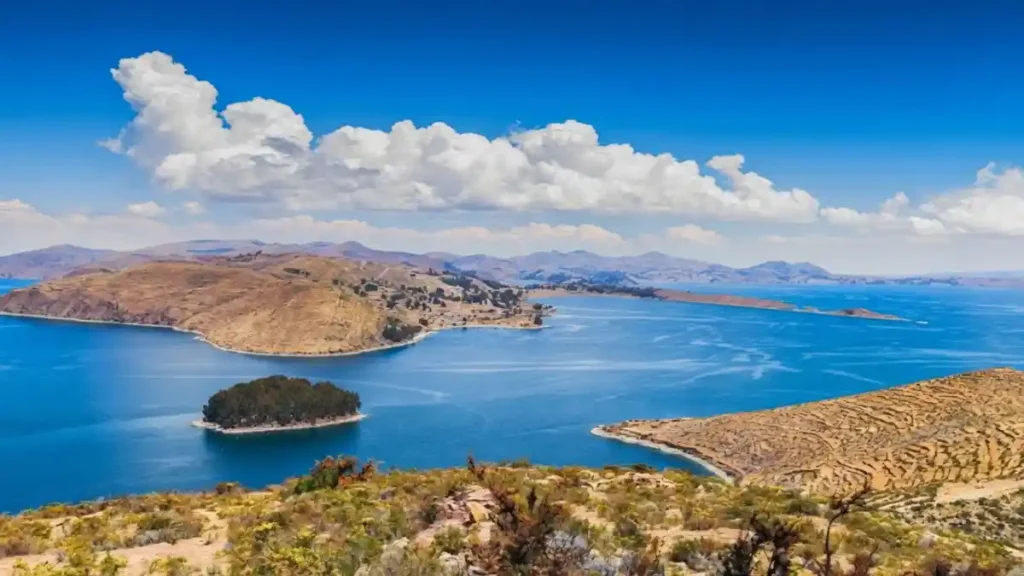
The lake surface sits at roughly 3,812 meters above sea level, which is higher than most European ski resorts.
The CDC’s travel health guidelines recommend arriving at elevation gradually and avoiding strenuous activity for the first 48 hours.
Hydration is not optional at this altitude — it is a survival strategy.
Our team observed that travelers who spent at least two nights in Puno before continuing onward reported significantly fewer symptoms.
Here is the step-by-step acclimatization plan we recommend:
- Day 1: Arrive in Puno and rest completely at your hotel.
- Day 2: Take a gentle walking tour of the Puno waterfront and market district.
- Day 3: Visit the Uros floating islands by boat for a half-day excursion.
- Day 4: Travel to a mid-elevation town like Juliaca or Ayaviri to adjust further.
- Day 5: Continue onward toward Cusco or the Sacred Valley with confidence.
What Does the Data Tell Us About This Route?
If you have been following adventure travel trends, this won’t come as a surprise.
Overland routes through the Andes are outperforming domestic flights in traveler satisfaction surveys.
The National Geographic travel desk highlighted the altiplano as one of the most culturally rich corridors in South America.
Below is a comparison of the most popular titicaca to destination options we tracked during our research:
| Route | Distance | Travel Time | Avg. Cost (USD) | Best Season |
|---|---|---|---|---|
| Titicaca to Cusco | 389 km | 6–8 hrs | $15–$40 | May–Oct |
| Titicaca to La Paz | 280 km | 5–7 hrs | $10–$30 | Apr–Nov |
| Titicaca to Arequipa | 295 km | 5–6 hrs | $12–$35 | May–Sep |
| Titicaca to Juliaca | 44 km | 1 hr | $3–$8 | Year-round |
Why Are Cultural Immersion Programs Gaining Traction?
The Uros people have lived on hand-built reed islands for centuries, and their way of life is now more accessible to respectful visitors than ever before.
UNESCO’s cultural heritage database recognizes the broader Lake Titicaca basin as a site of extraordinary indigenous significance.
We spoke with several community leaders on Taquile Island who confirmed that small-group homestays are now available year-round.
These programs funnel tourism revenue directly into local schools and agricultural cooperatives.
This is not performative tourism — it is a genuine economic lifeline for highland communities.
The Smithsonian’s travel coverage has documented similar community-based tourism models gaining momentum across the entire Andean region.
What Wildlife Can You Expect Along the Way?
The altiplano surrounding the titicaca to Puno shoreline is home to species you will not find anywhere else on the planet.
The Titicaca water frog, one of the world’s largest aquatic amphibians, is critically endangered according to the World Wildlife Fund.
Our team spotted flocks of Andean flamingos and giant coots during a dawn kayak excursion near the lake’s southern edge.
Vicuñas and alpacas graze freely along the roadside between Puno and Juliaca during the dry months.
BBC Travel’s feature on Andean wildlife noted that the lake’s unique ecosystem supports over 500 aquatic species.
How Will This Impact Your Travel Plans?
The short answer is that the titicaca to Cusco overland route is no longer a backpacker-only proposition.
Mid-range and premium operators now offer comfortable coaches, private transfers, and curated stopovers at archaeological sites like Sillustani.
The Guardian’s travel section recently profiled the growing number of luxury lodges opening around the lake’s western shore.
We recommend booking at least three months ahead during the dry season from May through October.
The infrastructure improvements mean you no longer have to sacrifice comfort to experience one of the most remarkable landscapes on Earth.
More Info to Visit Betanden