Surging coastal erosion and unpredictable seasonal shifts are forcing state conservationists to re-evaluate how they protect vulnerable agricultural traditions on Jekyll Island Georgia.
The state-protected barrier island is experiencing heightened environmental pressure, threatening both native food systems and regional tourism operations.
Key Takeaways
- Coastal preservation efforts are shifting toward historical agricultural integration to stabilize island barrier soil.
- Local agritourism initiatives provide essential revenue that funds ongoing state-backed habitat restoration programs.
- Travelers play a direct role in conservation by participating in regulated eco-tours and supporting sustainable regional markets.
What challenges face this coastal environment?
If you have been following coastal travel and agriculture trends, this pressure won’t come as a surprise.
The unique maritime climate that once fueled historic plantations now faces distinct modern hurdles.
Our analysis suggests that aggressive soil salinity spikes are changing the way local land managers approach plant cultivation.
Finding the sweet spot between heavy holiday foot traffic and delicate crop conservation is a delicate dance.
Industry insiders are noting that ignoring these soil changes could permanently alter the island’s famous natural aesthetic.
When coastal soil loses its nutrient density, native maritime forests suffer alongside small-scale agricultural test plots.
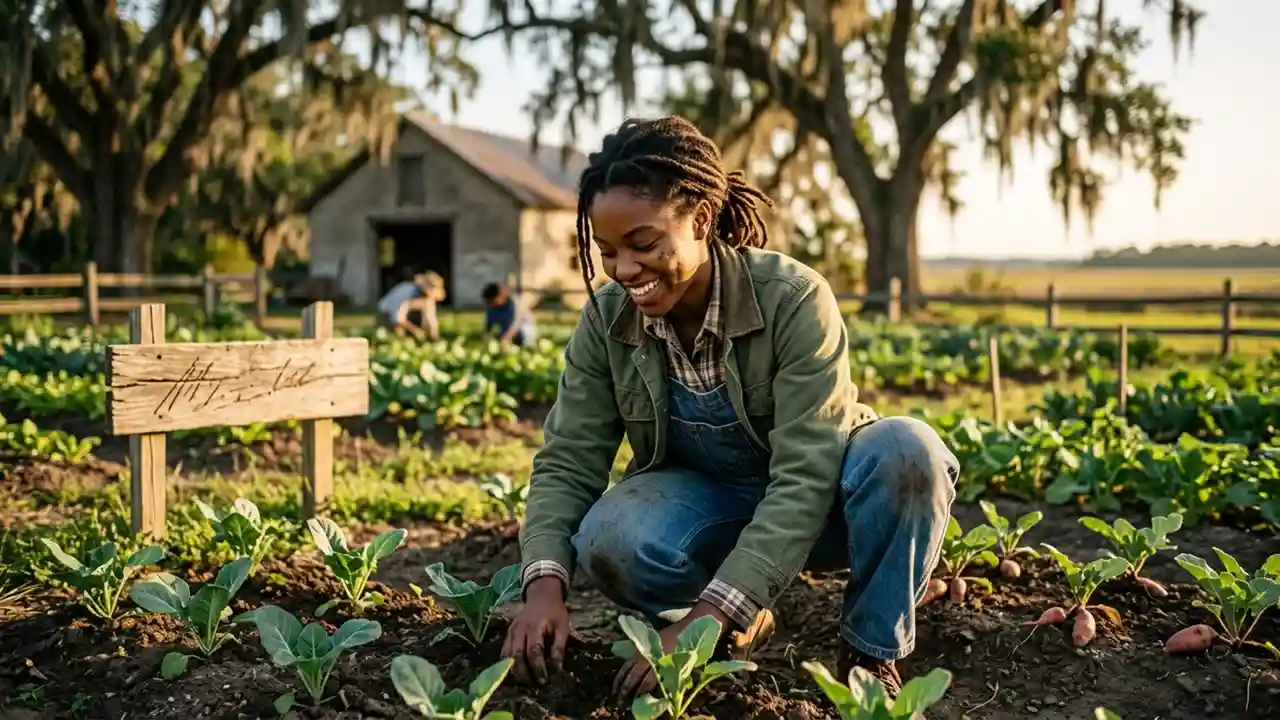
Our team observed that state planners are increasingly turning to traditional, low-impact farming techniques to anchor the shifting sand dunes.
Using specific cover crops helps retain vital moisture while preventing high winds from stripping away valuable topsoil.
Morning Coffee Culture Reshapes Global History
How is history shaping modern travel?
The deep-rooted history of agriculture here is not just a relic of the past; it dictates modern land zoning.
Centuries ago, the area supported diverse indigenous food cultivation before transitioning into a private retreat for America’s wealthiest families.
Understanding this historical footprint helps explain why the local infrastructure looks so vastly different from neighboring, highly commercialized beaches.
| Historical Era | Primary Land Use | Modern Preservation Status |
| Indigenous Era | Sustainable foraging and seasonal coastal fishing | Protected archeological zones |
| Colonial & Plantation Era | Large-scale cotton and indigo cultivation | Historic ruins preserved for public education |
| Club Era (1886-1942) | Private elite hunting estates and elite livestock farming | Maintained by the Jekyll Island Authority |
| Modern Conservation Era | Low-impact eco-travel and active soil restoration | Strict legislative development caps applied |
What does this mean for travel enthusiasts?
It means your vacation backdrop is strictly protected by state law, ensuring the view remains unspoiled by high-rise developments.
We found that the historic district still retains its rustic charm because commercial farming footprints were intentionally repurposed for public education.
Strolling through these open spaces offers a rare window into how early coastal communities interacted with the local earth.
Why should food security matter to visitors?
Local food production on Jekyll Island Georgia directly influences what ends up on your dinner plate during an island stay.
Many local chefs rely heavily on regional mainland partnerships and small island plots to source fresh, climate-resilient ingredients.
When you choose to support these farm-to-table establishments, you are actively funding the farmers who maintain the surrounding soil.
- Lower Carbon Footprints: Sourcing food from nearby coastal farms cuts down on heavy transport emissions.
- Economic Resilience: Keeping tourism dollars within the regional farming system protects the community against economic downturns.
- Biodiversity Support: Sustainable farming plots provide secondary habitats for migratory birds and beneficial insects.
Preserving Indian History Culture and Diversity
Our team noted that a thriving local agricultural system acts as a natural buffer against supply chain disruptions.
If coastal communities cannot grow or easily source their own food, their long-term tourism viability plummets.
Protecting the soil is a prerequisite for protecting the local hospitality industry.
How to explore the island sustainably
Planning a trip to Jekyll Island Georgia requires a conscious effort to minimize your environmental footprint.
We have mapped out the precise steps required to maximize your travel experience while actively supporting the local environment.
1.Secure low-impact transportation:Day 1 Arrival.
Park your motorized vehicle at your lodging and rent a bicycle for daily exploration. The island features over 20 miles of paved trails explicitly designed to keep heavy vehicular traffic away from fragile coastal root systems.
The Parvo Vaccine Is Facing a Critical Shortage Now
2.Visit the historical farming ruins:Day 2 Morning.
Head to the north end to tour the preserved historic sites. Read the educational markers to understand how early irrigation systems forever altered the local water table.
3.Source meals from verified local partners:Day 2 Evening.
Dine exclusively at restaurants that highlight regional coastal farming initiatives. Ask your server about the origins of the seasonal produce to ensure your money stays in the local ecosystem.
4.Volunteer for a beach or trail cleanup:Day 3 Departure.
Spend your final morning participating in a conservation program. Removing debris prevents toxic synthetic chemicals from leaching directly into the agricultural water table.
Are Roses Toxic to Cats? What Pet Owners
What does the future hold for this coastal gem?
Maintaining the fragile equilibrium on Jekyll Island Georgia will require continuous, deliberate collaboration between lawmakers, farmers, and travelers.
As weather patterns grow increasingly volatile, the lessons learned from coastal soil management here will likely serve as a blueprint for other barrier islands.
Our analysis suggests that public awareness is the single greatest tool we have to preserve these historic spaces.
Every choice you make as a traveler impacts the soil, the water, and the heritage crops that make this region entirely unique.
By prioritizing sustainability, we can ensure that this coastal treasure remains vibrant for generations to come.
More Info to Visit Betanden