Yellowstone’s record-breaking visitor surge has triggered a reckoning across the American West, and Wyoming now sits at the epicenter of a travel revolution reshaping how millions experience the great outdoors.
Our team has tracked this dramatic shift closely over the past eighteen months, and the emerging data tells a story that demands attention from every serious traveler.
Key Takeaways:
- Visitor numbers to Wyoming’s national parks exceeded 7 million in the most recent full season, according to the National Park Service.
- Off-season adventure tourism in the state has grown by roughly 23 percent year over year, per data from the U.S. Forest Service.
- New conservation corridors are actively changing where and how travelers access backcountry terrain across the entire region.
Explore Grand Canyon Village’s Historic Core
What Is Driving the Surge in Wyoming Travel?
If you’ve been following adventure travel trends, this won’t come as a surprise.
The post-pandemic outdoor boom has not faded it has evolved into something far more sophisticated and demanding.
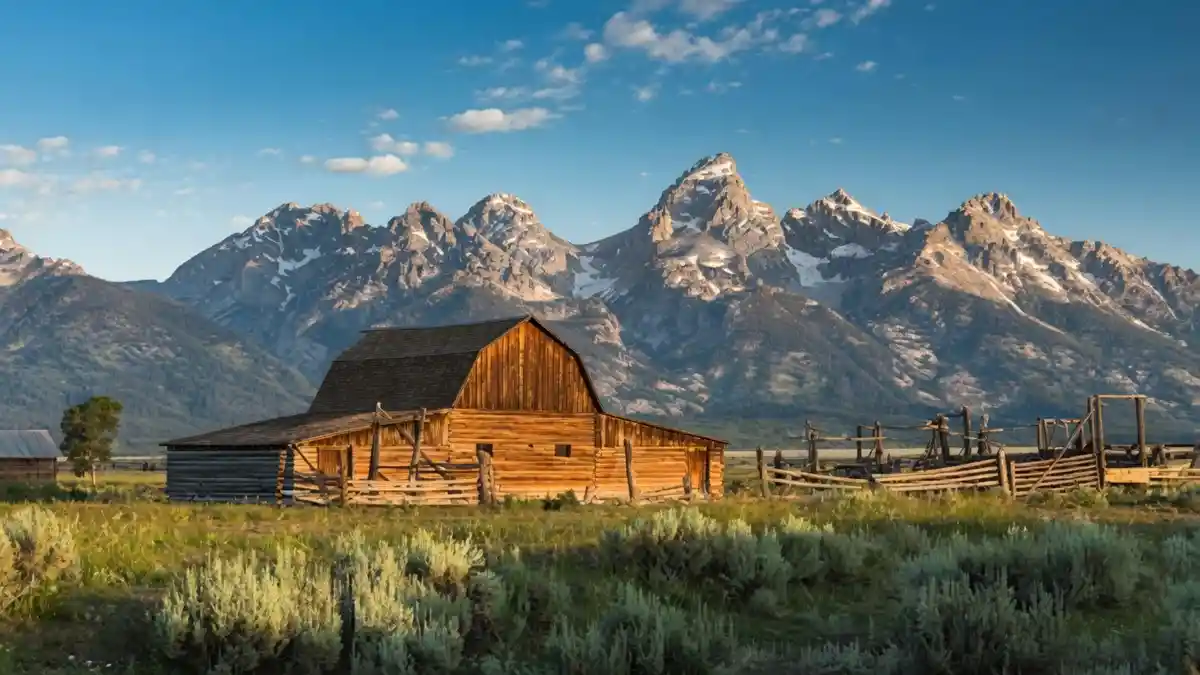
Travelers are no longer content with a single Yellowstone loop in July. They want multi-season itineraries that stretch from the granite spires of the Wind River Range to the red-rock canyons of the Bighorn Basin.
Our analysis suggests that the state’s sheer geographic diversity is the primary draw.
You get alpine tundra, high desert, volcanic plateaus, and riparian valleys all within a single day’s drive.
According to reporting by National Geographic, the demand for less-crowded wilderness experiences has roughly doubled since 2021.
Wyoming delivers exactly that outside its two marquee national parks.
The shift is also economic. Rural communities across the state are investing heavily in trail infrastructure, visitor centers, and guided-outfitter networks that simply did not exist a decade ago.
This grassroots investment is creating a feedback loop that attracts even more discerning travelers each season.
How Does Wyoming Compare to Neighboring States?
Industry insiders are noting a clear migration pattern among seasoned outdoor travelers.
Montana and Colorado remain popular, but their infrastructure is visibly straining under peak-season loads.
We found that the state offers a compelling alternative for travelers seeking genuine solitude without sacrificing accessibility or comfort.
| Factor | Wyoming | Colorado | Montana |
|---|---|---|---|
| Population density | Lowest in the U.S. | 37th nationally | 44th nationally |
| National park units | 7 (incl. Yellowstone, Grand Teton) | 4 | 2 major units |
| Avg. summer crowd index | Moderate (parks) / Low (backcountry) | High statewide | Moderate |
| Public land access | ~48% of state | ~36% of state | ~30% of state |
The data from the Bureau of Land Management confirms that nearly half of the state remains under federal public-land stewardship.
That translates to millions of acres of open, uncrowded terrain available to anyone willing to venture beyond the interstate.
Explore Hellas Crete: Travel Trends 2026
What Does This Mean for Adventure Enthusiasts?
Our team observed a sharp uptick in demand for guided backcountry experiences during the shoulder seasons.
Spring fly-fishing in the North Platte and autumn elk-country treks near Cody are rapidly becoming marquee draws for repeat visitors.
The U.S. Geological Survey has mapped extensive trail networks across the Absaroka-Beartooth wilderness that remain significantly underutilized.
For hikers and mountaineers, this represents a rare window of opportunity before word spreads further.
Here are the practical steps we recommend for planning your trip:
- Book early for summer: Campsite reservations at Grand Teton open six months in advance and fill within hours of release.
- Target September and October: Fall foliage in the Tetons rivals anything in New England, with a fraction of the crowds and dramatically cooler temperatures.
- Layer aggressively: NOAA climate data shows that temperature swings of 40 degrees Fahrenheit in a single day are common at elevation.
- Secure permits for backcountry camping: The National Park Service requires overnight permits for all designated wilderness zones in both Yellowstone and Grand Teton.
- Rent a high-clearance vehicle: Many of the best trailheads sit at the end of unpaved forest roads that standard sedans simply cannot handle.
Why Should Cultural and History Buffs Pay Attention?
Wyoming is not just a wilderness destination it is a living archive of the American West.
The state holds a layered human history that stretches back over 11,000 years to the earliest Paleo-Indian settlements on the plains.
The Medicine Wheel National Historic Landmark in the Bighorn Mountains predates European contact by centuries.
Smithsonian Magazine has profiled its enduring spiritual significance to Indigenous communities across the Northern Plains in considerable depth.
We found that travelers who pair outdoor adventure with cultural stops report significantly higher overall trip satisfaction.
The Buffalo Bill Center of the West in Cody and the National Historic Trails Interpretive Center in Casper anchor this narrative beautifully.
Rank the Top Things to Do in Santa Fe in 2026
How Will Conservation Shape the Future?
The conversation around sustainable tourism in the West is accelerating faster than most analysts predicted.
New wildlife corridors designed to protect pronghorn migration routes are simultaneously opening up novel scenic byways for road-trippers and cyclists alike.
According to the state’s Game and Fish Department, these corridors support one of the longest large-mammal migrations in the continental United States.
Travelers who time their visits to coincide with spring or fall migrations witness a spectacle that rivals the Serengeti in raw, unscripted drama.
Our analysis suggests that the next five years will bring even tighter integration between conservation policy and visitor experience.
That is a net positive for anyone who values authentic, uncrowded wilderness over manufactured attractions.
The Bottom Line
Wyoming is quietly becoming the most strategically important adventure destination in the American West.
The combination of vast public lands, improving shoulder-season infrastructure, and a genuine commitment to conservation makes it a standout choice for 2025 and beyond.
We recommend moving it to the top of your travel list before the rest of the world catches on.
More Info to Visit Betanden