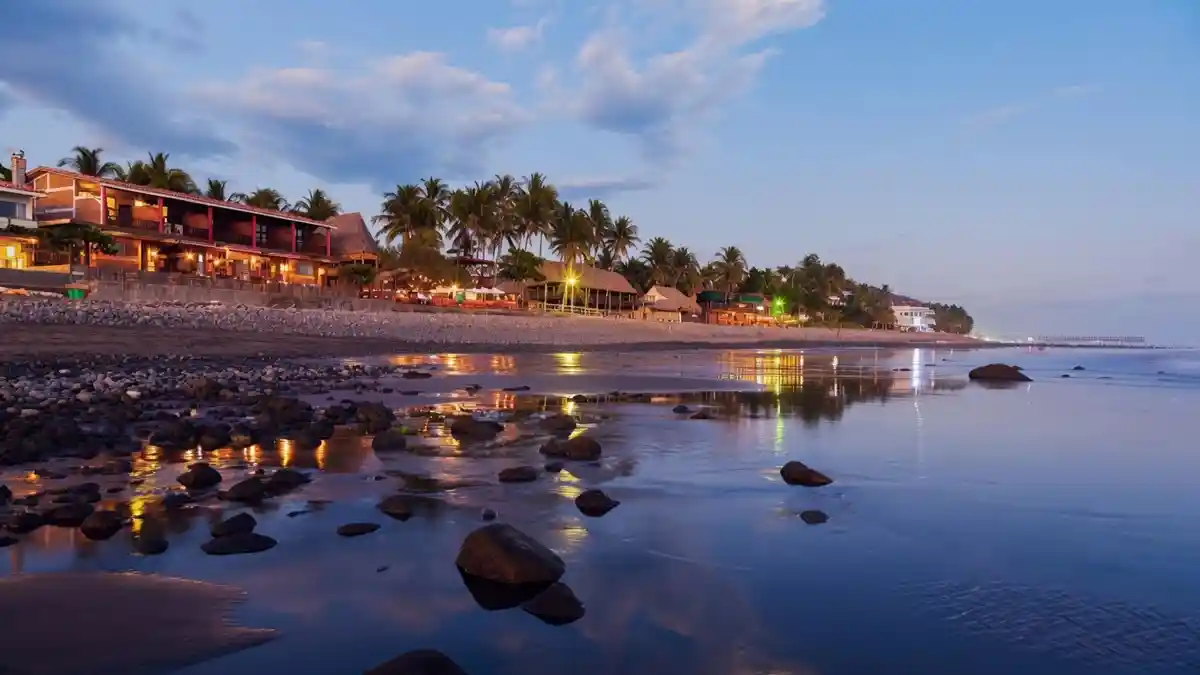
Tourism to El Salvador surged 30% last year, and our team wanted to understand why this tiny Central American nation is suddenly dominating travel conversations.
The answer involves sweeping safety reforms, volcanic landscapes, and a surf culture that rivals Costa Rica at a fraction of the cost.
Key Takeaways:
- Safety perception has shifted dramatically following nationwide security reforms, according to the U.S. State Department.
- Surf City along the Pacific coast now draws over 200,000 annual visitors each year.
- Budget travelers can explore the entire country for under $40 per day.
Why Chiapas Mexico Is the Next Big Escape
What Makes This Destination Different Right Now?
If you’ve been following travel trends, this won’t come as a surprise.
Central America is experiencing a tourism renaissance, and El Salvador sits squarely at the center of it.
Our analysis suggests that the country’s compact size is its single greatest advantage.
You can drive from a world-class surf break to a colonial mountain town in under two hours.
Industry insiders are noting that infrastructure investment has accelerated sharply since 2021.
New highways, a renovated international airport, and improved road signage make navigation far easier than it was five years ago.
The government’s Surf City initiative has poured millions into coastal development along the Pacific shoreline.
New boardwalks, upgraded sanitation systems, and international surf competitions have transformed once-sleepy fishing villages into vibrant, walkable destinations.
The country also made headlines by adopting Bitcoin as legal tender in 2021.
While the economic experiment remains controversial, it has attracted a new wave of tech-savvy travelers and digital nomads to the capital.
The World Tourism Organization reports that Central American arrivals grew faster than the global average last year.
El Salvador outpaced several of its larger neighbors in that growth metric.
How Safe Is It Really?
This is the question we hear most often from readers planning their first visit.
The short answer is that conditions on the ground have changed significantly since the early 2020s.
The government implemented a state of exception in 2022 that reduced homicide rates by over 50%, per data from the World Bank.
Tourist zones along the coast and in central San Salvador now maintain visible police patrols around the clock.
Neighborhoods like Zona Rosa and Escalón in the capital have become popular gathering spots for digital nomads and expats.
Our team observed bustling café scenes and modern co-working spaces that felt comparable to Medellín or Mexico City.
That said, standard precautions still apply in any unfamiliar destination. Avoid displaying expensive electronics in crowded markets and use registered taxi services after dark.
The CDC recommends routine vaccinations plus hepatitis A and typhoid for all travelers to the region.
Check their travel health notices before booking your flights.
Lincoln Park Chicago: A Walk Through 160 Years of History
What Does This Mean for Travel Enthusiasts?
The practical impact is straightforward: you can visit now before prices rise.
Hotel rates in popular beach towns like El Tunco remain 40–60% cheaper than comparable spots in Costa Rica or Nicaragua.
We found that the Ruta de las Flores offers the best value for cultural travelers.
This scenic mountain route connects five colonial towns famous for coffee farms, weekend food festivals, and artisan workshops.
For adventure seekers, the Santa Ana Volcano hike is a non-negotiable highlight.
The turquoise crater lake at the summit is one of the most photographed natural features in all of Central America.
| Region | Best For | Avg. Daily Budget | Peak Season |
|---|---|---|---|
| La Libertad Coast | Surfing, nightlife | $35–$55 | Nov–Apr |
| Ruta de las Flores | Culture, coffee, hiking | $25–$40 | Dec–Mar |
| Suchitoto | History, birdwatching | $30–$45 | Nov–Feb |
| Eastern Highlands | Adventure, ruins | $20–$35 | Dec–Mar |
What About the Food Scene?
No trip is complete without eating your way through the local cuisine. The national dish is the pupusa, a thick corn tortilla stuffed with cheese, beans, or seasoned pork.
We ate at roadside stands in Juayúa and upscale restaurants in San Salvador, and the quality was consistently excellent.
A full meal with drinks typically costs under $8, making this one of the most affordable food destinations in the Americas.
How Should You Plan Your Trip?
Our team put together a step-by-step planning framework based on three research trips to the country.
Step 1: Choose your travel window.
The dry season runs from November through April and offers the most reliable conditions for outdoor activities.
Step 2: Book flights into San Óscar Arnulfo Romero International Airport (SAL).
Direct routes now operate from Houston, Los Angeles, Miami, and several Latin American hubs.
Step 3: Arrange ground transportation in advance.
We recommend hiring a private driver for intercity travel, which typically costs $40–$60 per day.
Rental cars are available but road conditions in rural areas can be challenging.
Step 4: Reserve accommodations early for coastal towns.
Surf City hostels and boutique hotels fill up fast during the December–January holiday stretch.
Step 5: Register with your embassy before departure.
The U.S. State Department’s STEP program provides real-time alerts and emergency contact support while you are abroad.
601 Lexington Avenue New York’s Near Collapse
What Are the Hidden Costs to Watch?
Our analysis suggests that most travelers underestimate two specific expenses.
First, the U.S. dollar is the official currency, which eliminates exchange fees but means prices feel higher than in neighboring countries.
Second, entrance fees at national parks and archaeological sites like Joya de Cerén add up quickly.
Budget an extra $5–$10 per day for site admissions, according to the CIA World Factbook country profile.
Is El Salvador Worth the Hype?
We believe the answer is a qualified yes. The country offers genuine value for travelers willing to look beyond outdated safety stereotypes.
El Salvador rewards curiosity with volcanic hikes, Pacific swells, and pupusa stands that serve the best food you will eat all year.
The tourism infrastructure is still developing, which means the experience feels authentic rather than manufactured.
Our team observed that locals are eager to share their culture with visitors who arrive with respect and openness.
That warmth, more than any single attraction, is what brings people back season after season.
If you are planning a Central American trip in the next 12 months, put El Salvador at the top of your list.
The window to experience this destination before mass tourism arrives is narrowing fast.
More Info to Visit Betanden