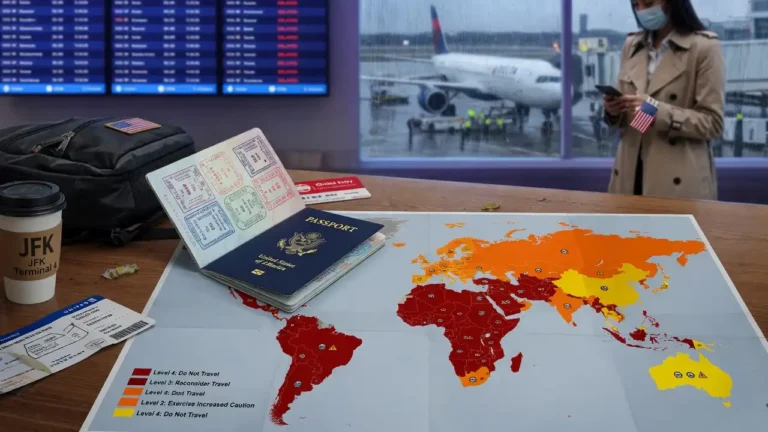

TSA facial recognition travel rules are no longer a pilot program tucked into a handful of major hubs.
They are expanding rapidly, reshaping the entire travel experience from check-in to boarding gate.
Lake Lago di Garda That Transform Your Travel Plans
Key Takeaways
- TSA facial recognition is currently active at over 84 U.S. airports and growing fast
- Travelers do retain the right to opt out but that right isn’t always clearly communicated
- The technology raises serious questions around data retention, civil liberties, and equity in travel
Why Is This Happening Now?
The TSA facial recognition travel rules didn’t emerge from nowhere.
The agency has been quietly building toward this moment since its 2020 biometric expansion roadmap, accelerated by post-pandemic pressure to reduce touchpoints and speed up security lanes.
According to the Transportation Security Administration’s official biometric program page, the agency is currently operating facial recognition at 84 airports, with a target to expand to all major U.S. commercial airports within the next few years.
Our analysis suggests this isn’t just about security it’s about infrastructure investment, airline efficiency, and a global pivot toward biometric-first border management.
St Lucia Travel Advisory Tourists Must Know Now
How Does the Technology Actually Work?
Here is a clear breakdown of the process travelers now encounter:
Step-by-Step: What Happens at a Facial Recognition Checkpoint
- Approach the TSA podium with your physical ID or passport.
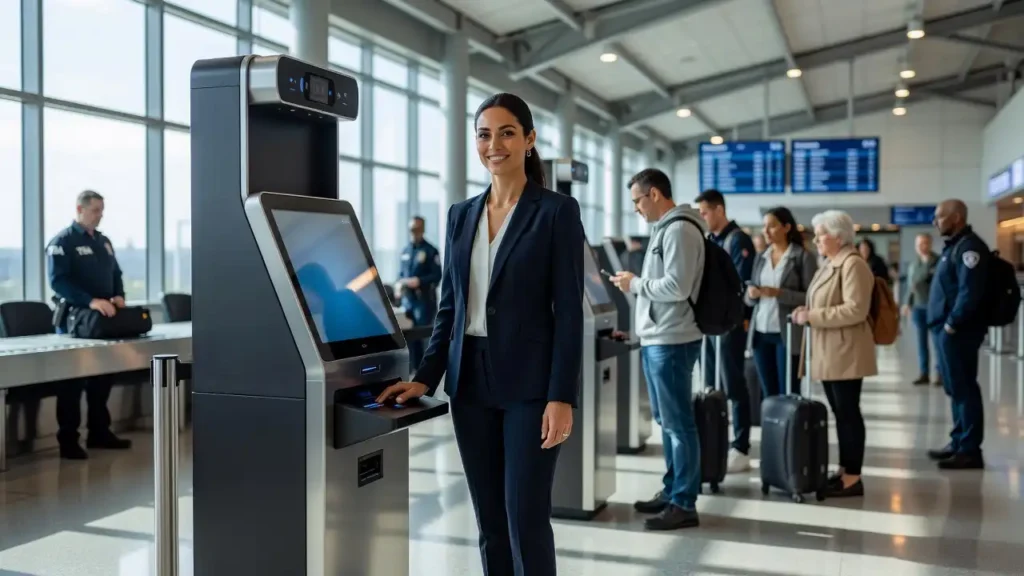
- Look directly into the camera mounted on the CAT (Credential Authentication Technology) unit.
- The system captures your image and compares it against the photo stored on your ID document chip or existing government databases.
- A match result is generated within seconds green for verified, flagged for manual review if unmatched.
- If you choose to opt out, verbally inform the TSA officer before the scan occurs.
- An officer will then conduct a standard manual identity check using traditional document review.
- You will not be penalized for opting out though some travelers report inconsistent communication of this right.
Knowing these steps before you reach the checkpoint could save you a significant amount of confusion and stress.
What Do the Current TSA Facial Recognition Travel Rules Actually Say?
The rules, as they stand, are more nuanced than the headlines suggest.
According to a Government Accountability Office report on TSA biometric expansion, the agency has not always consistently informed passengers of their right to decline scanning.
The American Civil Liberties Union has raised pointed concerns about whether opting out is genuinely accessible to all travelers or whether social pressure and queue dynamics subtly coerce compliance.
Industry insiders are noting that the TSA facial recognition travel rules sit in a legal gray zone.
There is currently no federal law specifically governing TSA’s use of this technology, a gap flagged by the Electronic Frontier Foundation in multiple public advisories.
NYC Tours Redefine Cultural Travel
Airport Comparison: Facial Recognition Rollout Status
| Airport | Facial Recognition Active | Opt-Out Clearly Communicated | Full Biometric Gates |
|---|---|---|---|
| Hartsfield-Jackson (ATL) | ✅ Yes | ⚠️ Partial | ✅ Yes |
| Los Angeles (LAX) | ✅ Yes | ✅ Yes | ⚠️ In Progress |
| Dallas/Fort Worth (DFW) | ✅ Yes | ⚠️ Partial | ✅ Yes |
| Denver (DEN) | ✅ Yes | ✅ Yes | ⚠️ In Progress |
| Smaller Regional Hubs | ❌ Not Yet | N/A | ❌ No |
What Does This Mean for Travelers Right Now?
If you’ve been following travel security trends, this won’t come as a surprise but the pace of rollout likely will.
The Biometric Update industry tracker reported in early 2024 that global airport biometric adoption accelerated by 38% year-over-year, with U.S. infrastructure leading in sheer volume.
For adventure travelers, frequent flyers, and international holiday-makers, TSA facial recognition travel rules introduce both convenience and complexity.
Pros of the Current System:
- Faster identity verification often under 2 seconds
- Reduced document fraud risk at checkpoints
- Streamlined boarding for biometric-enrolled travelers
Cons and Concerns:
- Documented accuracy disparities for darker skin tones, per MIT Media Lab research
- Unclear data retention policies how long is your face stored?
- Risk of function creep data collected for security being used for other purposes
- Inconsistent opt-out communication across airports
According to the National Institute of Standards and Technology’s Face Recognition Vendor Testing reports, accuracy varies significantly between vendors a fact TSA has not yet addressed publicly with full transparency.
Krka National Park Ultimate Adventure Awaits
TSA Facial Recognition Travel Rules
— US News (@Us_news_ways) July 21, 2026
TSA facial recognition travel rules are no longer a pilot program tucked into a handful of major hubs.@FAANews @CBP @DHSgov https://t.co/bkafLr8wMM
The Bottom Line
TSA facial recognition travel rules are not a future concern they are a present reality reshaping every trip you take.
Our team observed that the most important thing travelers can do right now is know their rights before they reach the checkpoint.