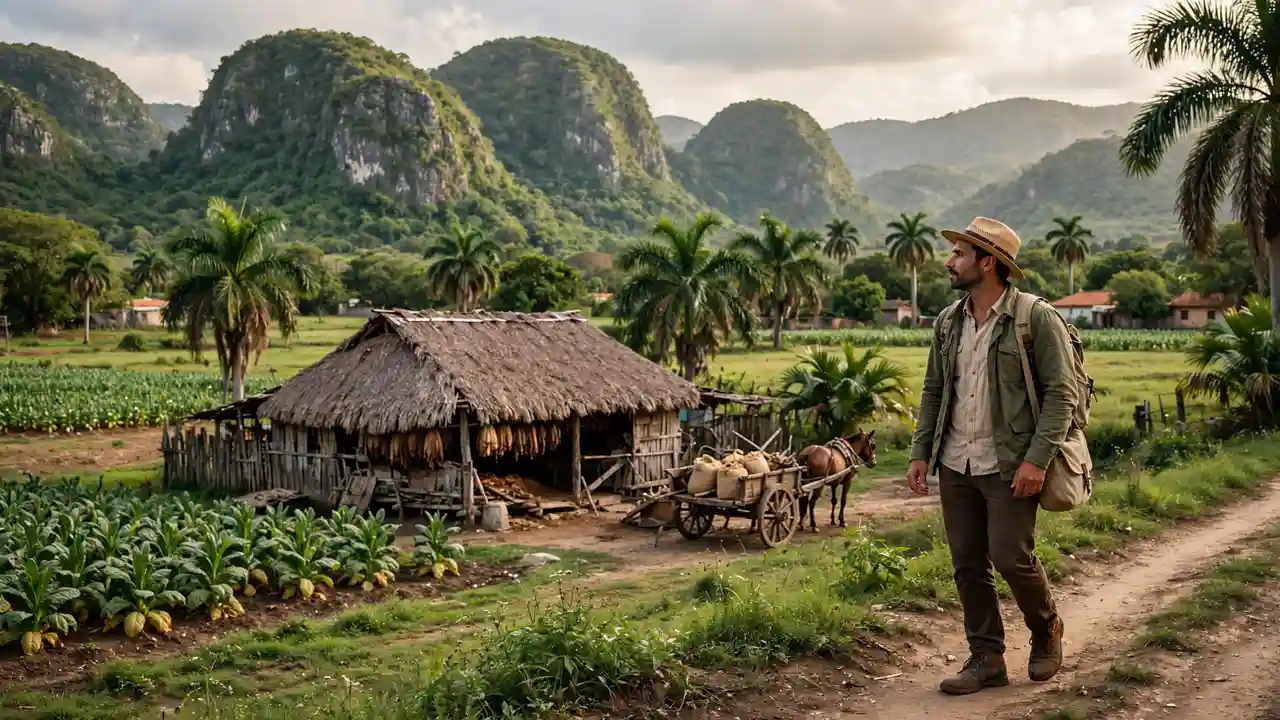
The cuba countryside is not just a backdrop it is a breathing, working archive of one of the Western Hemisphere’s most complex and fascinating civilizations.
Right now, as international travel access to the island shifts and global interest in authentic, off-the beaten-path experiences surges, there has never been a more urgent or rewarding time to move beyond Havana and step into the rural heart of this Caribbean nation.
Explore Vancouver Island Islands Built for Adventure
Key Takeaways
- The Cuba countryside spans diverse landscapes from tobacco valleys to sugar cane plains — each carrying centuries of agricultural and cultural history.
- Adventure travelers are increasingly prioritizing rural Cuba over its urban centers for immersive, low-cost experiences.
- Local agritourism initiatives, backed by government programs, are making guided rural access more structured and traveler-friendly than ever before.
What Makes Cuba’s Rural Landscape Unlike Anywhere Else?
If you’ve been following Caribbean travel trends, this won’t come as a surprise: rural Cuba is having a global moment.
According to data from the World Tourism Organization (UNWTO), agritourism and cultural heritage travel are among the fastest-growing categories in global tourism, growing at nearly 15% year-over-year.
The cuba countryside sits perfectly at the intersection of both.
Our analysis suggests that what draws travelers here isn’t escapism it’s engagement.
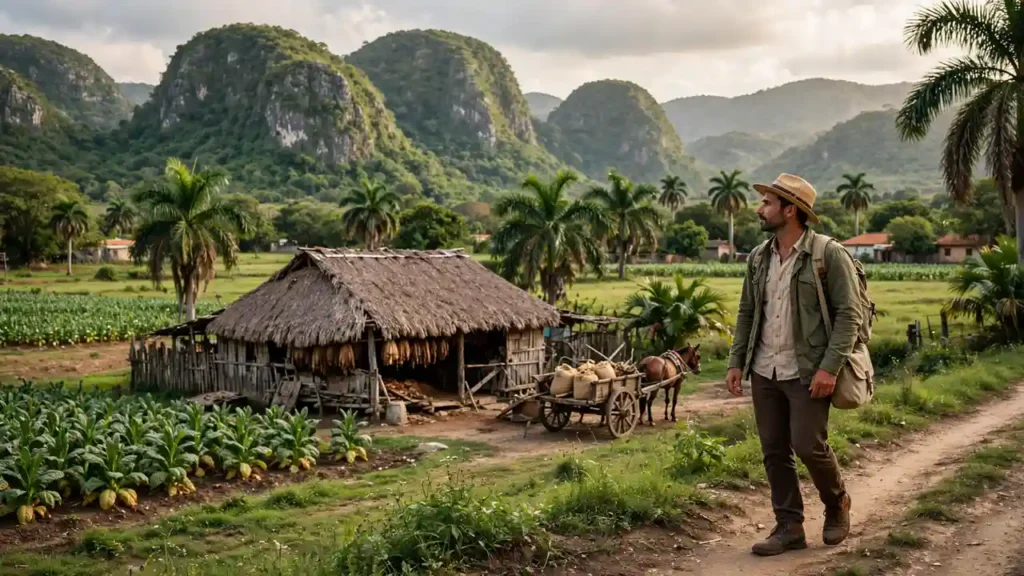
The Viñales Valley, a UNESCO World Heritage Site, is perhaps the most iconic entry point into rural Cuba.
Its dramatic mogotes prehistoric limestone formations rise from some of the world’s most fertile tobacco-growing soil.
Walking through it feels less like tourism and more like archaeology in motion.
Goa Is State Where Adventure Never Sleeps
A Brief Historical Timeline of Cuba’s Agricultural Identity
Understanding the land means understanding its past.
| Period | Agricultural Development | Cultural Impact |
|---|---|---|
| 1500s–1700s | Spanish colonizers introduced sugar cane | Forced labor systems shaped rural demographics |
| 1800s | Tobacco farming expanded in Pinar del Río | Created a distinct guajiro (rural Cuban) cultural identity |
| 1959 | Cuban Revolution collectivized farmland | Cooperative farming became the national model |
| 1990s | “Special Period” triggered organic farming | Cuba became a global leader in urban/rural sustainable agriculture |
| 2010s–Present | Agritourism opened to international visitors | Rural communities began direct economic engagement with travelers |
This timeline, sourced in part from the Library of Congress Hispanic Division, illustrates how the cuba countryside was never passive.
It was always the engine economic, cultural, and political.
How Do You Actually Experience Rural Cuba? Step-by-Step
For travelers ready to move beyond the Malecón, here is exactly how to plan a rural Cuban adventure responsibly and richly.
Step 1: Identify Your Entry Region
Choose between the three primary rural zones:
- Pinar del Río — tobacco culture, cave systems, and UNESCO-listed valleys
- Trinidad & Sancti Spíritus — colonial sugar history and cobblestone villages
- Baracoa, Guantánamo Province — the island’s oldest city, surrounded by genuine rainforest
Step 2: Arrange Accommodation Through Casas Particulares
These government-registered family homestays are not just affordable they are the authentic lens into rural Cuban life.
The Lonely Planet Cuba guide confirms these are often the only lodging option in rural zones.
Step 3: Connect With a State-Approved Local Guide
The Cuban government requires licensed guides for many protected rural areas.
This is not bureaucracy for its own sake these guides are encyclopedias with legs.
Step 4: Respect the Agricultural Calendar
Tobacco harvesting runs November through February.
Visiting during this window means watching generations-old techniques performed live, not recreated for cameras.
Step 5: Pack for the Terrain, Not the Instagram
- Light hiking boots
- Cash in Cuban Pesos (CUP) — card infrastructure is almost nonexistent in rural zones
- Reusable water containers
- A Spanish phrasebook — English fluency drops sharply outside Havana
Explore Vancouver Island Islands Built for Adventure
What Does the Cuba Countryside Mean for Adventure and Animal Enthusiasts?
Our team observed something striking during recent research: the cuba countryside is dramatically underserved in wildlife travel coverage.
According to the Cuban National Center for Protected Areas (CNAP), Cuba hosts over 6,700 native plant species and hundreds of endemic animal species including the bee hummingbird, the world’s smallest bird.
The Zapata Swamp Biosphere Reserve, recognized by UNESCO’s Man and the Biosphere Programme, is a wetland ecosystem that rivals the Florida Everglades in biodiversity density.
For hikers and wildlife watchers, this is not a footnote it is a headline.
Goa Is State Where Adventure Never Sleeps
Why Travelers Are Choosing Rural Over Urban Cuba Now
Industry insiders are noting a measurable pivot.
A 2023 report from National Geographic Travel placed Cuba’s rural provinces among the top 10 globally for “slow travel” experiences a category defined by depth of cultural immersion over speed of sightseeing.
The cuba countryside rewards patience.
It asks you to sit with a tobacco farmer at dawn, to learn what guajiro music actually sounds like when it isn’t performed for tourists, and to recognize that agriculture here is culture not industry.
Explore an Indian Palace India
Final Thought
The cuba countryside is not a detour from the real Cuba.
It is the real Cuba.
And right now, before infrastructure changes permanently alter access and atmosphere, is precisely the moment to go.
More Info to Visit Betanden