Arezzo, Italy is quietly becoming one of Europe’s most compelling cultural and historical destinations and if you’ve been following Italian travel trends, this won’t come as a surprise.
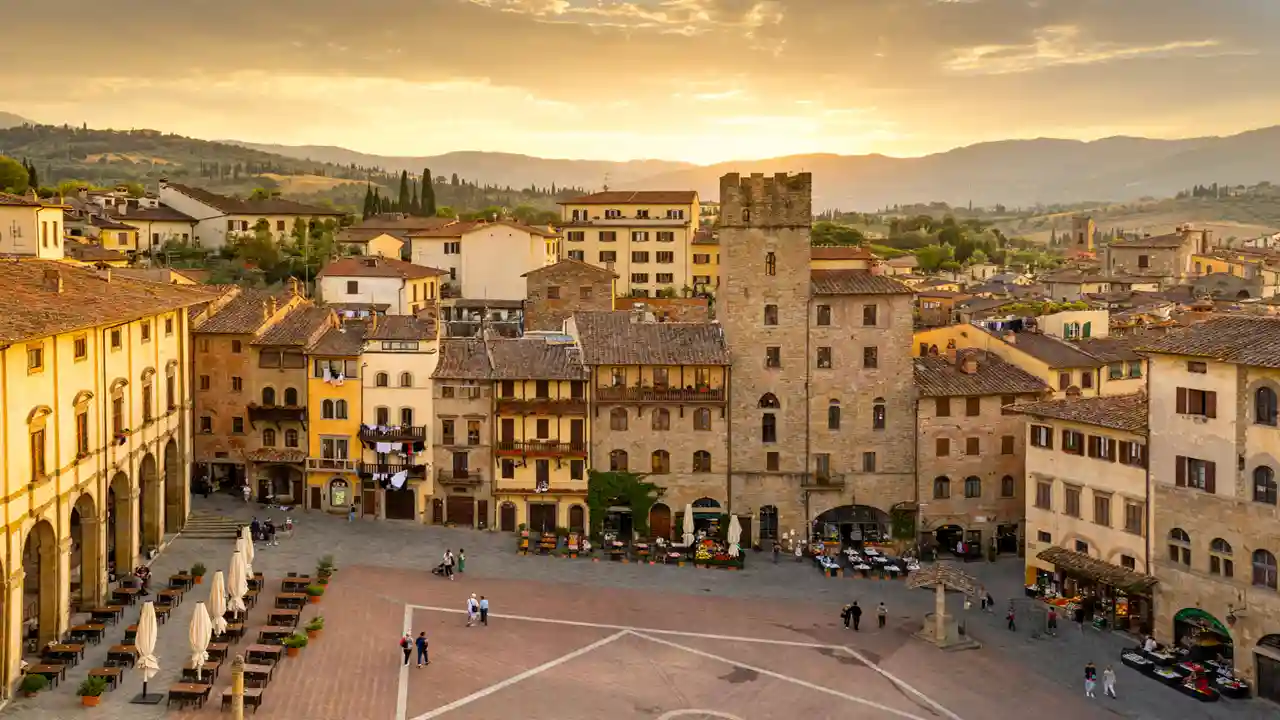
Sitting confidently in the heart of Tuscany, this medieval city offers something that overcrowded Florence and Siena increasingly cannot: authenticity at a human pace.
Key Takeaways
- Arezzo, Italy blends world-class medieval history with living agricultural traditions, antique markets, and Etruscan heritage rarely seen elsewhere in Tuscany.
- The city hosts the Giostra del Saracino one of Italy’s oldest jousting tournaments drawing thousands of visitors every June and September.
- Cultural tourism in Arezzo is growing steadily, with UNWTO data confirming smaller Italian cities are absorbing overflow from saturated major hubs.
Why Is Arezzo, Italy Suddenly on Every Traveller’s Radar?
Our analysis suggests the shift is driven by a desire for genuine cultural immersion rather than photo-opportunity tourism.
Travellers are exhausted by velvet ropes and selfie queues.
They want to sit inside a 13th-century cathedral and feel the weight of centuries without a tour group blocking the view.
Arezzo delivers exactly that.
According to Italy’s official tourism portal, Italia.it, the province of Arezzo recorded a consistent year-on-year increase in visitor nights, with cultural tourism leading the charge.
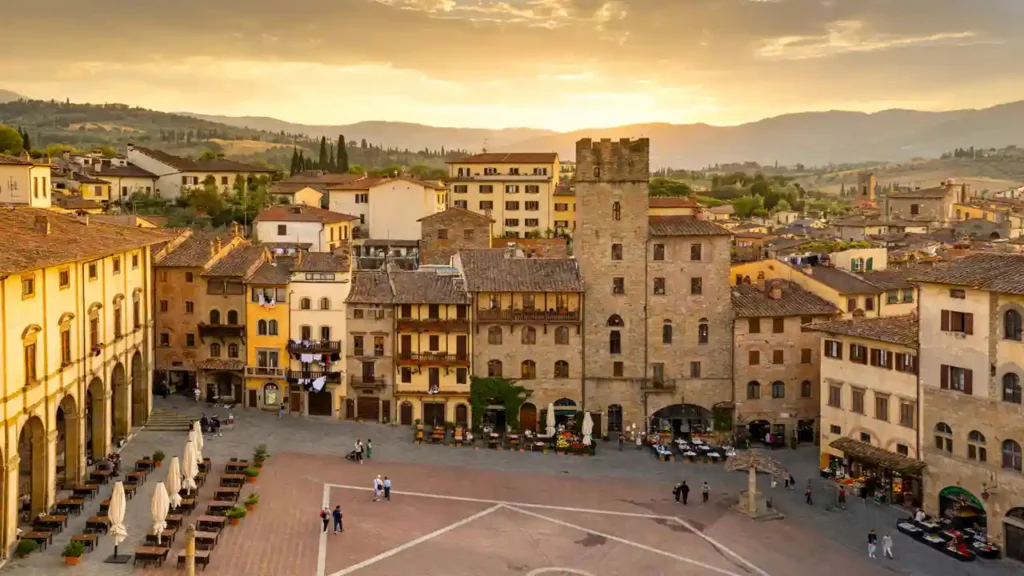
The city’s medieval centre is largely pedestrianised, meaning you navigate its sloping piazzas and terracotta-roofed streets on your own terms.
Shiraz City Travel Gem Rewriting Iran Tourism
What Historical Layers Make Arezzo Unmissable?
| Era | Key Legacy | Must-See Site |
|---|---|---|
| Etruscan Period (700–300 BC) | Bronze craftsmanship, trade routes | National Archaeological Museum |
| Roman Period (1st century BC) | Amphitheatre construction | Roman Amphitheatre ruins |
| Medieval Period (12th–14th century) | Guild culture, Ghibelline architecture | Piazza Grande |
| Renaissance (15th–16th century) | Piero della Francesca’s frescoes | Basilica of San Francesco |
| Modern Agricultural Era | Gold and antique trade revival | Arezzo Antique Fair |
Each of these layers is physically accessible within walking distance of the city centre.
This isn’t heritage that lives behind glass it breathes through the streets themselves.
The Basilica of San Francesco houses Piero della Francesca’s Legend of the True Cross, a fresco cycle that art historians from the Uffizi Gallery regularly cite as among the most significant in Western art.
We observed that many visitors spend forty minutes inside that basilica and emerge visibly changed.
How Does the Cultural Calendar Shape a Visit?
If you time your trip carefully, Arezzo becomes an entirely different experience.
Step-by-Step: Planning Around Arezzo’s Cultural Events
Step 1 — Choose Your Core Event
Identify whether you want to attend the Giostra del Saracino (jousting tournament, June and September), the Arezzo Wave Love Festival (summer music), or the monthly Fiera Antiquaria (antique fair, first Sunday/Saturday of each month).
Step 2 — Book Accommodation Early
Event weekends fill within weeks.
Use Booking.com or contact agriturismo farms directly through the official Arezzo tourism board.
Step 3 — Build a 48-Hour Cultural Route
- Morning: Piazza Grande and the Cathedral of Saints Peter and Donatus
- Midday: Local trattoria for ribollita and Chianina beef
- Afternoon: Frescoes at San Francesco or the Vasari House Museum
- Evening: Aperitivo in the medieval quarter
Step 4 — Add an Agricultural Day Trip
The Casentino Valley and Valdichiana surrounding Arezzo, Italy are Slow Food certified territories.
Book a farmhouse visit through Agriturismo.it to experience Chianina cattle farming and local pecorino production firsthand.
Step 5 — Reserve Guided Access for Key Sites
The Italian Ministry of Culture oversees timed entry for the Piero della Francesca frescoes.
Book at least two weeks in advance during peak season (April–October).
Your Ultimate Travel Bucket List Now
What Makes the Agriculture and Food Culture So Distinctive?
Industry insiders are noting that agritourism surrounding Arezzo is growing into a standalone travel category.
The Valdichiana flatlands historically reclaimed by the Medici family now produce some of Tuscany’s most prized agricultural outputs, including the Chianina IGP beef, saffron from nearby Castiglion Fiorentino, and certified Tuscan olive oil.
According to Slow Food International, the Arezzo province protects several Presidia products ingredients so regionally specific that their production methods are considered living cultural heritage.
This isn’t farm-to-table as a marketing concept. It is simply how food has always worked here.
Holiday Learn Travel the World, Gain New Skills
What Does This Mean for Cultural Travellers in 2025?
Our team observed a clear pattern: travellers who choose Arezzo, Italy over more famous Tuscan cities report higher satisfaction scores and longer intended return visits.
The European Travel Commission has flagged secondary cities as the defining travel trend of this decade and Arezzo fits that profile precisely.
It offers genuine medieval history, living agricultural culture, world-class art, and a local community that hasn’t yet been reorganised around tourists.
That, ultimately, is the rarest thing a destination can offer in 2025.
More Info to Visit Betanden